21 Jun 2026
Tracing Number Echoes: How Historical Call Traditions Shape Probability Awareness in Group Play Sessions
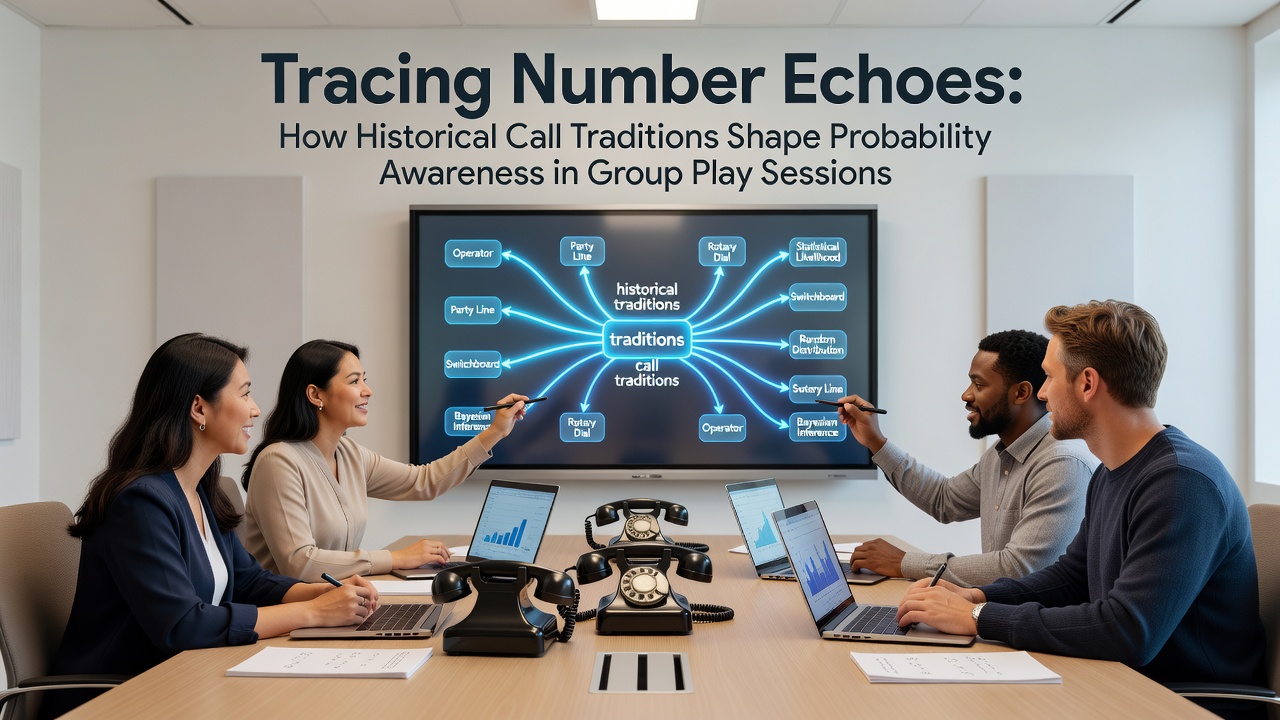
Traditional number calling methods in bingo trace back to early 20th century British and American halls where callers developed rhythmic phrases to announce numbers such as "two little ducks" for 22 or "legs eleven" for 11, and these patterns persist in many group sessions today. Researchers have documented how such verbal traditions emerged from vaudeville entertainment and military lingo, then spread through community centers across North America and Europe during the 1930s and 1940s when bingo became a staple fundraising activity. Data from gaming archives show that these calls created shared auditory cues that helped large groups track progress without constant visual reference to cards.
Origins of Call Traditions and Their Spread
Callers in the United Kingdom refined rhyme-based announcements during World War II to maintain morale in shelters, while American operators adapted similar techniques for church basements and county fairs by the 1950s. Observers note that the consistent cadence of these phrases allowed players to anticipate sequences and develop mental maps of remaining numbers, which in turn influenced collective responses when someone neared completion. Studies from the University of Nevada Las Vegas gaming research program indicate that rhythmic delivery reduced cognitive load during rapid draws, enabling participants to maintain focus across extended sessions that sometimes lasted three or four hours.
By the 1970s regional variations had solidified, with Canadian prairie halls favoring straightforward numeric repetition while Australian clubs incorporated local slang that referenced sports scores or weather events. These differences created distinct group dynamics because players accustomed to one style often carried expectations into new environments, affecting how quickly they recognized probability shifts when numbers appeared in clusters rather than random order.
Probability Awareness in Collective Settings
Group play amplifies certain statistical patterns because participants hear the same sequence simultaneously and compare notes between rounds. Evidence from observational records at large-scale events reveals that historical calls helped players internalize common number groupings, such as the higher frequency of mid-range values in many 75-ball formats, leading to faster identification of near-misses. When callers used familiar rhymes, attendees reported stronger recall of prior draws, which sharpened their sense of which columns remained likely to complete based on remaining balls in the hopper.
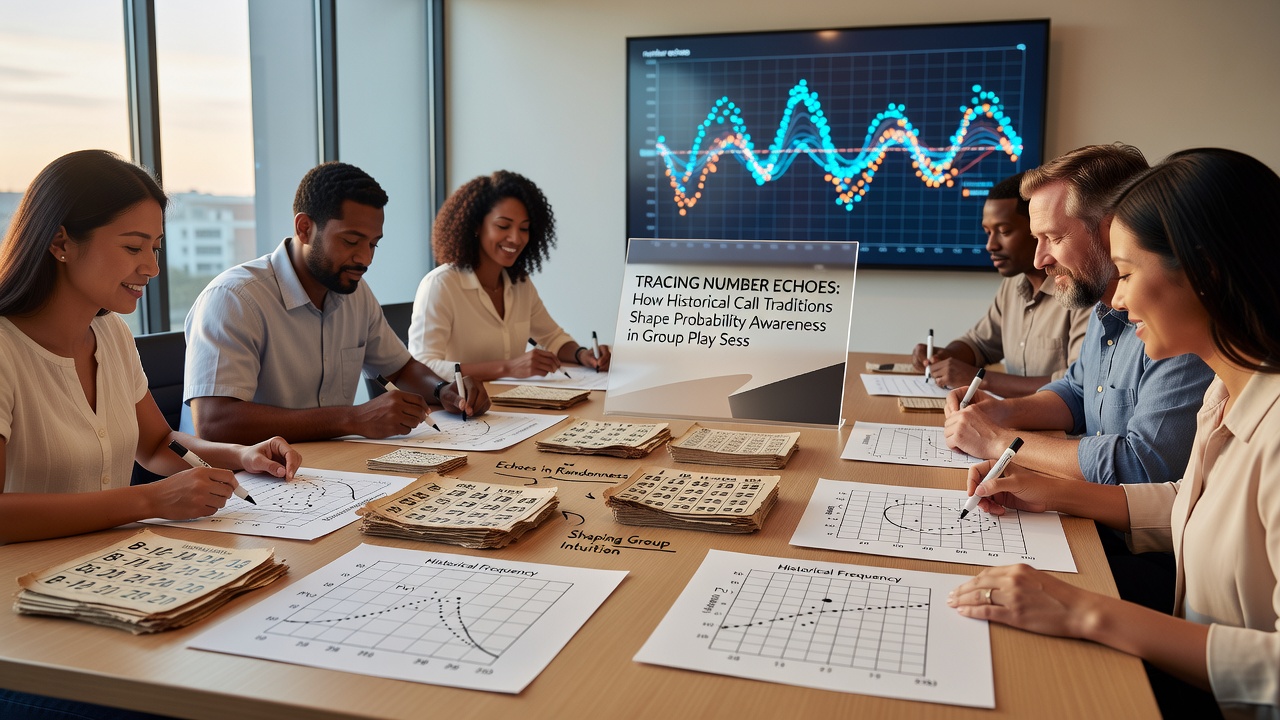
Analyses of tournament logs from multi-day competitions show that groups exposed to consistent calling traditions demonstrated quicker adjustments when sequences deviated from expected distributions. For instance, a run of high numbers early in a round prompted collective shifts in attention toward lower-value columns, a response that appears less pronounced in sessions using purely numeric announcements. Figures released by the Nevada Gaming Control Board on charitable gaming events highlight how such awareness correlates with sustained participation rates, because players perceive greater agency when they can anticipate and react to emerging patterns.
Digital Adaptations and Retained Traditions
Online platforms that replicate live calling through recorded or synthesized voices have preserved many classic phrases, yet the absence of physical presence changes how probability information travels among participants. Chat functions and shared leaderboards now substitute for verbal reactions, allowing distributed groups to discuss number frequencies in real time. Reports from the Canadian Partnership for Responsible Gambling note that players who learned bingo through traditional halls often import their pattern-recognition habits into digital environments, where they track "echoes" of past calls across multiple rooms simultaneously.
Hybrid events scheduled for June 2026 in several North American cities plan to combine in-person halls with streamed sessions, testing whether mixed groups maintain the same level of collective probability awareness when some participants hear live callers and others rely on delayed audio. Preliminary planning documents suggest organizers will retain core rhymes to maintain continuity across both formats.
Impact on Session Dynamics and Equipment Use
Equipment suppliers have adapted ball machines and electronic displays to support traditional pacing, because rapid or irregular delivery disrupts the mental frameworks players build around historical calls. Maintenance records from large festival operators indicate that slower, rhythmic draws extend average session length by encouraging sustained engagement rather than quick exits after early losses. Those who study player retention across venues observe that communities preserving call traditions experience fewer interruptions when numbers repeat in statistically notable sequences, since the familiar phrasing reinforces recognition of those moments.
Regional differences continue to influence outcomes, with European halls more likely to use extended storytelling around each number while North American sessions favor brevity. Data compiled by the American Gaming Association on charitable bingo operations demonstrate that these stylistic choices affect how groups allocate attention across multiple cards, particularly when jackpots accumulate and probability calculations become more complex.
Conclusion
Historical call traditions continue to shape how groups process numerical information during bingo sessions by embedding auditory structure into probability tracking. The persistence of these methods across decades and continents illustrates their functional role in supporting collective awareness, even as digital tools introduce new variables. Future events will likely test the balance between preserved phrasing and technological delivery, revealing further details about how shared verbal history influences statistical intuition in group settings.