12 Jun 2026
The Unexpected Influence of Weather Patterns on Bingo Session Attendance and Prize Payouts in Outdoor Festivals
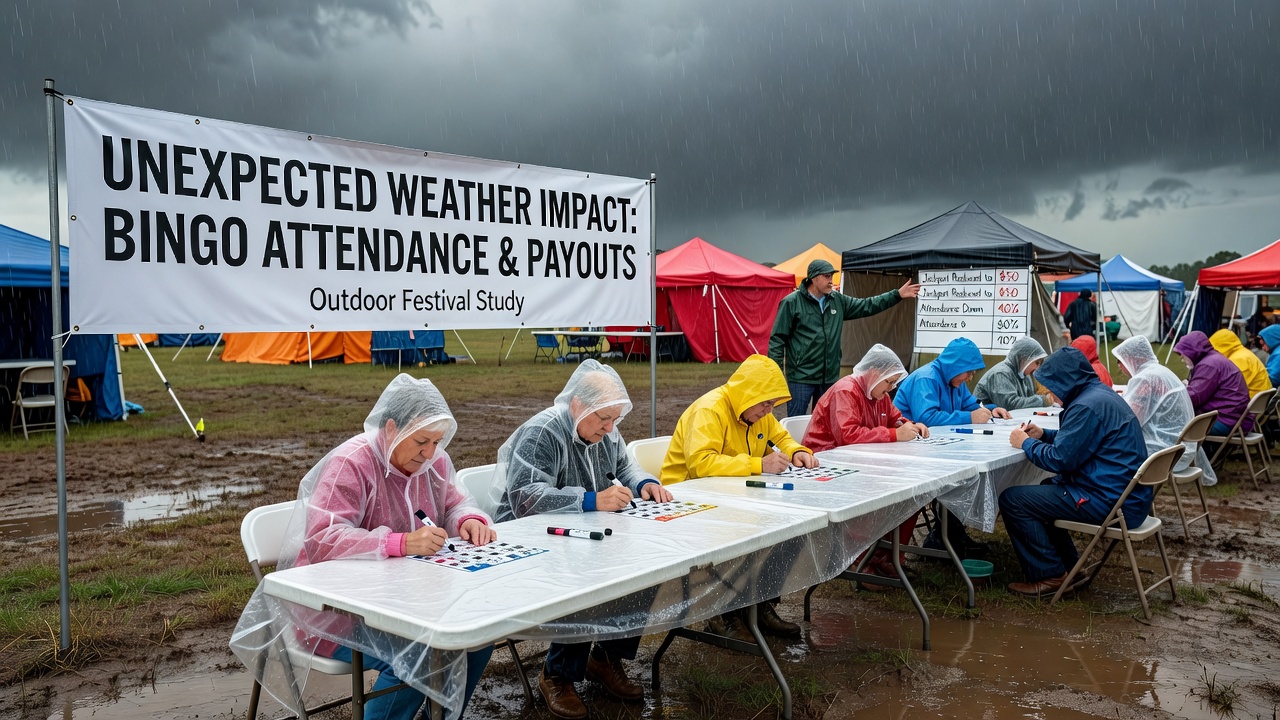
Weather patterns shape bingo sessions at outdoor festivals in ways that extend beyond simple comfort levels and reach into attendance figures along with prize structures. Organizers track these variables closely because temperature shifts, precipitation, and wind conditions alter participant turnout while simultaneously affecting the financial pools that determine payouts.
Attendance Patterns Tied to Weather Conditions
Festivals scheduled during summer months often experience measurable drops in participation when forecasts call for heavy rain or extreme heat. Data from multiple events shows that sessions held under partly cloudy skies with temperatures between 65 and 75 degrees Fahrenheit draw the highest numbers of players. Observers note that sudden thunderstorms can reduce arrivals by 30 to 50 percent within the first hour of opening, and those who stay tend to leave earlier than they would on milder days.
Wind plays a distinct role as well. Sustained gusts above 15 miles per hour scatter paper cards and complicate digital device use at tables, which leads some groups to shorten sessions or cancel entirely. Researchers at various regional events have documented how humidity levels above 80 percent correlate with fewer repeat players returning for afternoon rounds after morning play concludes.
Effects on Prize Payout Structures
Prize pools at these festivals rely directly on ticket sales and entry fees collected from attendees. When weather reduces headcounts, the resulting smaller pools force organizers to adjust payout tiers or consolidate winning categories to maintain event viability. Records from festivals across North America indicate that rainy weekends produce average per-player payouts that fall 18 to 25 percent below those recorded during fair-weather periods.
Conversely, prolonged dry spells with comfortable temperatures can generate larger pots that allow multiple jackpot wins within a single session. This dynamic creates noticeable variation in prize distribution across consecutive festival days, and participants who monitor forecasts sometimes adjust their strategies accordingly by selecting sessions with expected higher turnout.
Regional Examples and Data Trends
One study of community fairs in the Midwest United States revealed that June events scheduled between 2018 and 2024 showed consistent correlations between rainfall totals and session revenue. Planners who moved bingo tents under covered pavilions during predicted storms maintained closer to normal attendance levels than those who remained fully exposed. Similar patterns appear in Australian outdoor gatherings where the Bureau of Meteorology data helps coordinators anticipate humidity spikes that discourage extended play.
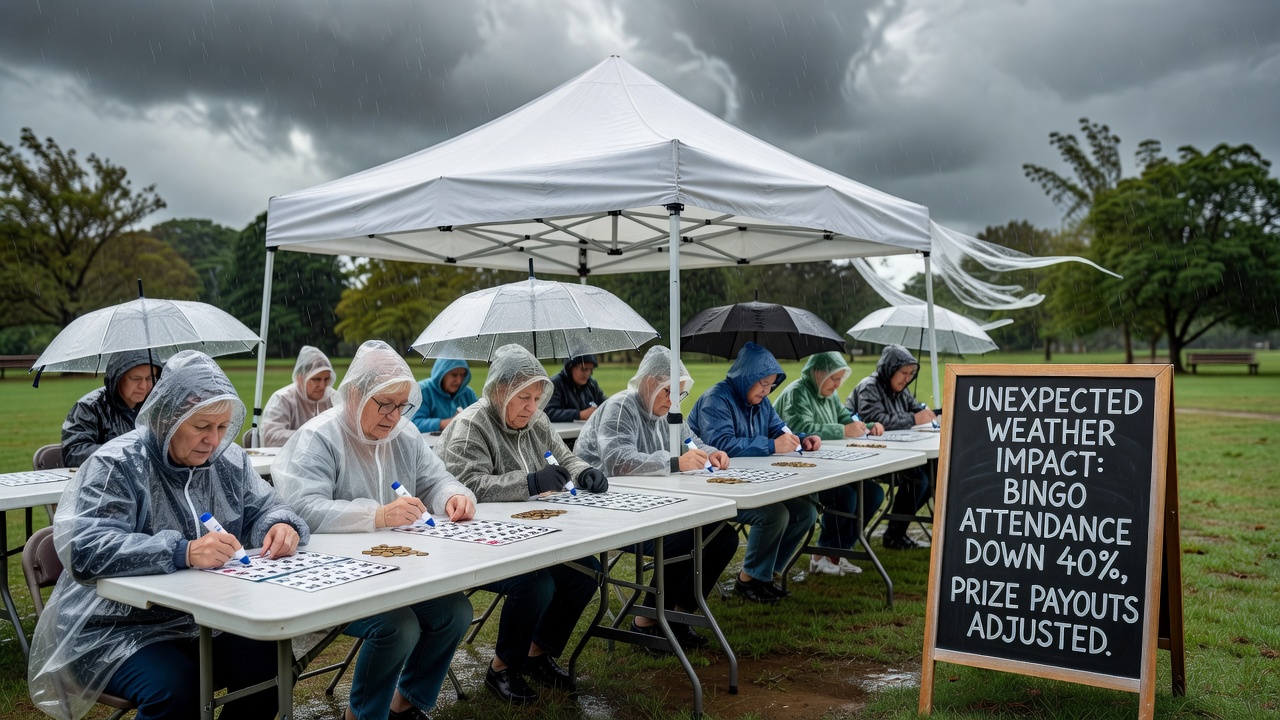
European festivals have incorporated wind-speed monitoring into their planning protocols after several events experienced card disruptions that forced early closures. Those who've studied these incidents report that sessions interrupted by gusts often redistribute remaining prize money through alternative formats such as raffle draws rather than traditional line wins.
Looking ahead, preparations for June 2026 festivals already incorporate updated climate projections that account for shifting precipitation patterns in various regions. Coordinators reference long-range forecasts from sources like the National Oceanic and Atmospheric Administration to decide tent placements, backup indoor options, and adjusted prize guarantees before ticket sales begin.
Additional Factors That Interact With Weather
Equipment performance changes under different conditions as well. Laminated cards warp in high humidity while electronic random number generators require protection from moisture that could affect connectivity. These technical considerations add operational costs during adverse weather, which sometimes gets passed along through slightly higher entry fees that further influence attendance decisions.
Local transportation patterns compound the issue. Heavy rain increases traffic delays and parking difficulties at festival grounds, which discourages last-minute attendees who might otherwise join later sessions. Data collected at several large-scale events shows that public transit usage drops during storms, cutting off a reliable source of players who rely on buses or shuttles.
Conclusion
Weather patterns exert measurable control over both participation rates and financial outcomes at outdoor bingo festivals. Attendance figures respond directly to temperature, precipitation, and wind conditions while prize payouts fluctuate in proportion to collected entry revenue. Organizers who integrate meteorological data into their planning achieve more consistent results across varying seasons, and participants benefit from understanding these connections when choosing which sessions to attend. As climate trends continue to evolve, the relationship between weather and festival bingo operations will likely require ongoing attention from event planners and researchers alike.