5 Jun 2026
The Intricate Logistics of Sourcing and Maintaining Bingo Equipment Across Large-Scale Events
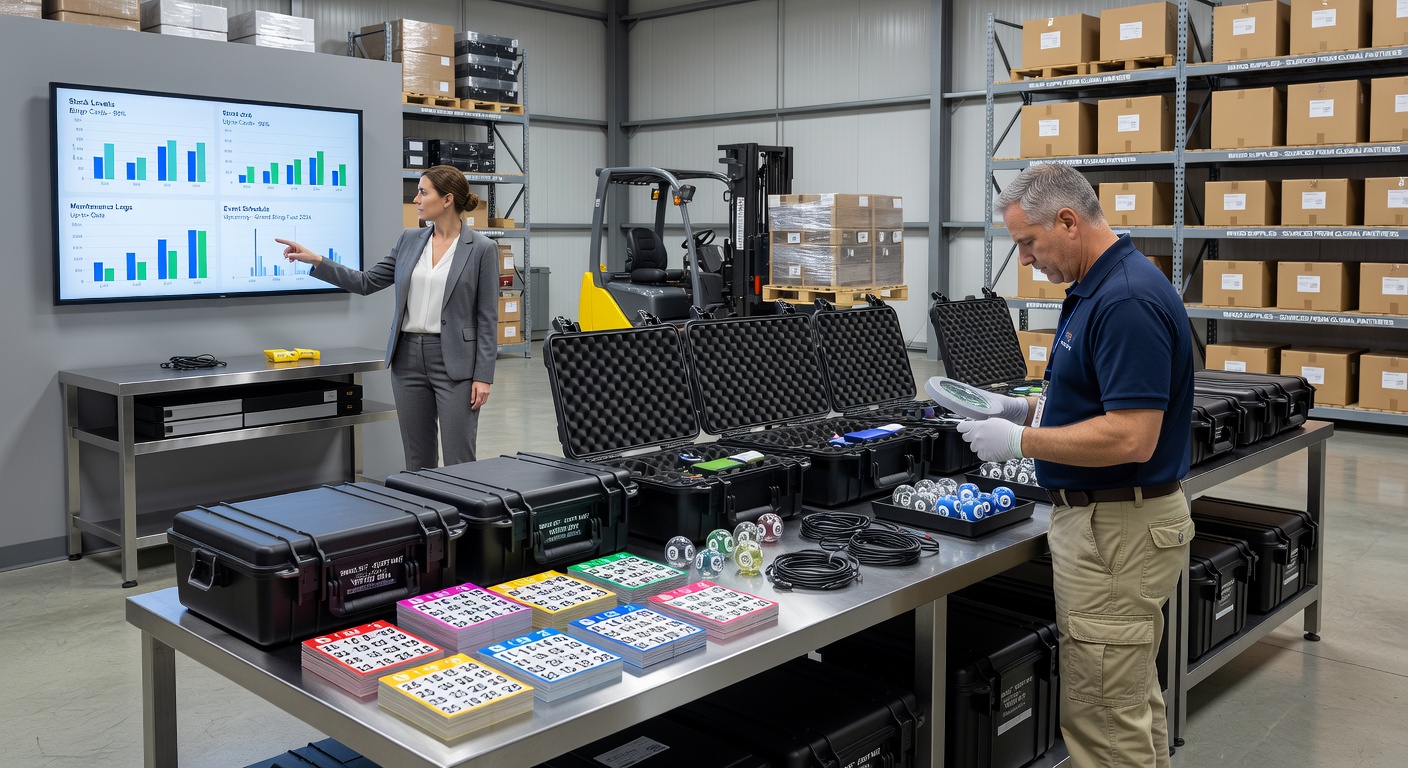
Coordinating bingo equipment for events that draw thousands requires precise planning across suppliers, transport networks, and on-site teams, because any delay in ball sets or card stock can halt an entire session. Event organizers typically begin the process twelve to eighteen months ahead, contacting manufacturers in Asia and Europe who produce regulation-grade plastic balls and electronic random number generators that comply with standards set by multiple jurisdictions.
Global Supply Chains and Vendor Selection
Manufacturers in China and Germany often handle the bulk of ball production, while specialized firms in Canada supply electronic daubers that integrate with venue software, and those who manage large festivals report that contracts include clauses for batch testing to verify number distribution accuracy before any shipment leaves the factory floor. Research from the University of Nevada Reno Gaming Research Center shows that sourcing failures account for nearly 15 percent of event disruptions when vendors lack proper certification, which is why procurement teams cross-reference compliance records from the Nevada Gaming Control Board alongside similar bodies in other regions.
What's interesting is how currency fluctuations and shipping route changes force planners to maintain relationships with at least three primary suppliers at once, allowing quick switches if tariffs rise or container availability drops, and this redundancy keeps costs stable even when one source experiences delays from port congestion.
Transportation, Storage, and Initial Setup
Once ordered, equipment travels via freight containers that maintain controlled humidity to prevent warping of cardboard cards or corrosion on metal cages, and crews at the destination unload items under strict inventory protocols that log every serial number for traceability. Large venues often convert adjacent warehouses into temporary storage, where climate control systems run continuously because temperature swings above 5 degrees Celsius can affect the bounce characteristics of bingo balls during live play.
Maintenance Protocols During Extended Events
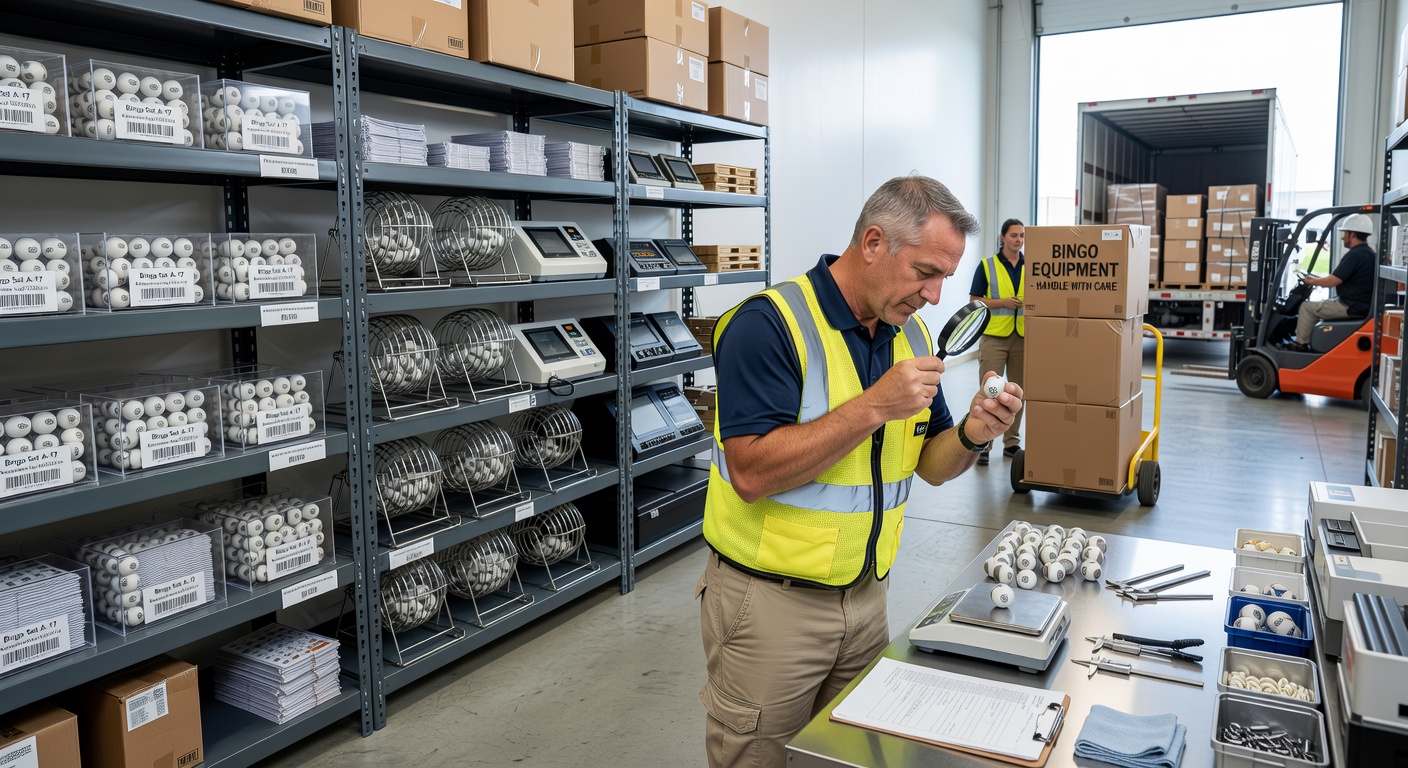
Daily inspections become routine once an event begins, with technicians checking random number generators against printed verification sheets each morning while spare parts like replacement cages and power adapters sit ready in labeled kits, and those who've run multi-day festivals note that proactive lubrication of mechanical mixers reduces failure rates by measurable margins compared with reactive fixes. Data collected across North American events indicates that electronic components require firmware updates at least once per quarter to stay compatible with updated security protocols, which adds another layer to the maintenance schedule when events span several weeks.
But here's the thing: even with careful planning, unexpected wear appears on high-use items such as dauber tips and card trays, prompting teams to cycle equipment through cleaning stations every four hours during peak sessions so that residue never builds up enough to cause misreads by scanners.
Inventory Tracking and Regulatory Compliance
Digital tracking systems log every item from arrival through final pack-down, generating reports that satisfy auditors from gaming authorities who may arrive unannounced, and these records often include usage hours on each machine plus calibration dates for number generators. Preparations for the International Bingo Expo set for June 2026 in Las Vegas already include expanded compliance checks because new interoperability standards are expected to take effect that summer, requiring all electronic equipment to support cross-platform verification before deployment.
Observers note that events exceeding five thousand participants typically deploy backup systems equal to 20 percent of primary stock, a ratio derived from historical incident data compiled by industry groups like the World Lottery Association, and this buffer allows organizers to replace suspect units without interrupting the flow of games.
Scaling for Multi-Venue and International Tours
When the same equipment travels between cities or across borders, customs documentation must accompany every container along with proof of testing from accredited labs, and coordinators often split shipments into smaller lots to reduce the impact of any single clearance delay at ports of entry. One study revealed that coordinated shipping schedules cut transit damage by almost a third compared with rushed single-load approaches, particularly when humidity-sensitive cards move through tropical climates en route to events in Southeast Asia or Australia.
Those managing recurring large-scale operations also schedule mid-event audits where independent technicians sample ball sets for roundness and weight consistency, because even minor deviations can alter game fairness in ways that draw regulatory scrutiny.
Conclusion
The logistics behind bingo equipment for major events combine global manufacturing timelines, rigorous maintenance cycles, and layered compliance checks into a single operational framework that must adapt to shifting regulations and supply conditions, and success depends on redundant suppliers, detailed tracking, and advance preparation that accounts for events like the 2026 expo deadlines. Accurate records and scheduled inspections ensure equipment remains reliable from first call to final teardown, supporting uninterrupted sessions across thousands of players.