17 May 2026
Shifting Sands of Chance: How Online Adaptations Redefine Classic Bingo Engagement Methods

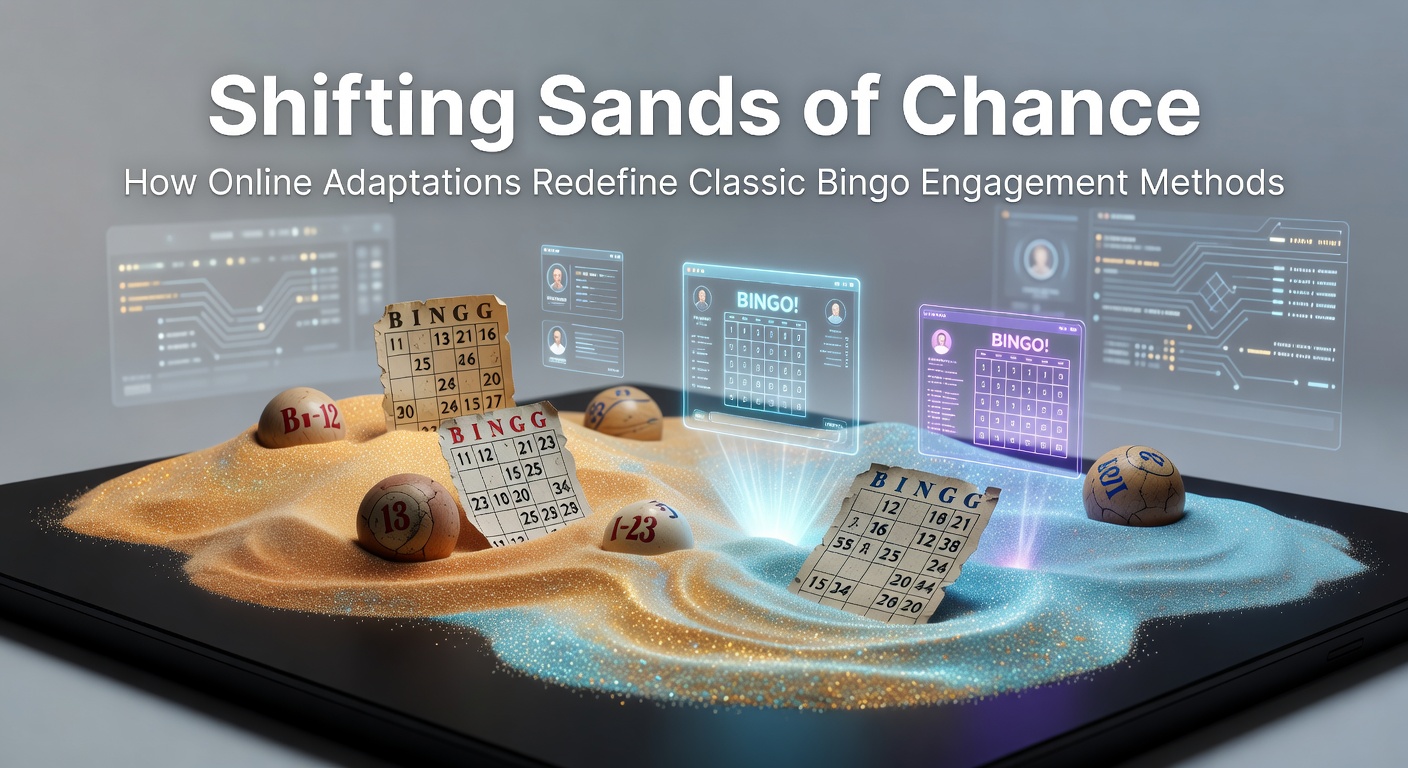
Classic bingo once centered on physical halls where players marked cards by hand while chatting with neighbors yet online adaptations have shifted participation toward digital interfaces that maintain core number-matching mechanics while expanding reach through mobile applications and live-streamed sessions. These changes allow continuous play across time zones and introduce layered features that alter how participants interact with the game itself.
From Hall-Based Routines to Digital Access Points
Traditional bingo sessions followed fixed schedules in community venues with callers announcing numbers drawn from physical cages but digital platforms now operate around the clock and let users join from any location with an internet connection. Observers note that this transition preserves the random selection process while replacing paper cards with interactive screens that auto-daub matches and track multiple cards simultaneously.
Research from academic studies shows participation patterns have broadened because apps support varied ticket prices and room sizes that range from intimate groups to thousands of concurrent players. Those who've examined industry data find that session lengths often shorten in online settings which fits into fragmented daily schedules rather than requiring dedicated evening blocks.
Technological Layers That Alter Player Interaction
Online systems incorporate chat functions and themed graphics that replace the ambient noise of halls with instant messaging and animated effects yet the fundamental probability structure remains unchanged. Data indicates many platforms integrate progressive jackpots that accumulate across linked games which adds anticipation layers absent from most standalone hall events.
What's interesting here involves the introduction of speed variations and mini-games that occur between standard rounds while still tying outcomes back to the same random number generators used in physical draws. Experts have observed that these additions keep attention focused without disrupting the core engagement loop of marking numbers and awaiting wins.
Social Connections Reimagined in Virtual Spaces
Community aspects persist through moderated chat rooms and friend lists that enable players to form recurring groups across different sessions although physical proximity no longer anchors interactions. Studies found that some users report sustained relationships formed initially in themed digital rooms focused on specific music or holiday motifs.
But here's the thing: these virtual gatherings operate without geographic limits so participants from multiple continents share the same game while exchanging messages in real time. Figures from industry reports reveal higher retention rates among groups that utilize built-in social tools compared with solo play modes.
Regulatory Frameworks and Market Expansion Trends
Government agencies in various regions track online bingo under broader gambling statutes that require age verification and responsible play features such as deposit limits. According to analyses published by the American Gaming Association, licensed operators must maintain transparent random number certification which aligns digital outcomes with those expected from physical ball draws.
By May 2026 projections from market research groups point toward wider adoption of augmented reality overlays that let players visualize called numbers on shared virtual tables. A separate review from the Australian Gambling Research Centre highlights how cross-border licensing agreements have facilitated smoother entry for established operators into new territories.
Accessibility Gains and Demographic Shifts
Mobile compatibility removes barriers for individuals with mobility constraints or those living far from traditional venues while voice-assisted interfaces support users who prefer audio cues over visual screens. Researchers discovered that average player age has decreased slightly in online environments because younger adults encounter bingo through social media integrations and casual app stores.
Observers note that tutorial modes and practice rooms lower entry thresholds so newcomers learn rules without risking funds immediately. This structure contrasts with hall settings where first-timers often observed several rounds before joining paid games.
Conclusion
Online adaptations maintain the random chance element central to bingo while reshaping engagement through flexible timing, integrated social tools, and enhanced visual feedback. Data continues to track how these platforms balance regulatory compliance with user retention across expanding global markets and upcoming technological refinements expected through 2026 will likely further integrate live elements with automated systems. The result keeps classic mechanics intact yet repositions participation within contemporary digital routines.