15 May 2026
Mapping Bingo Card Patterns to Strategic Play in Both Traditional and Digital Settings
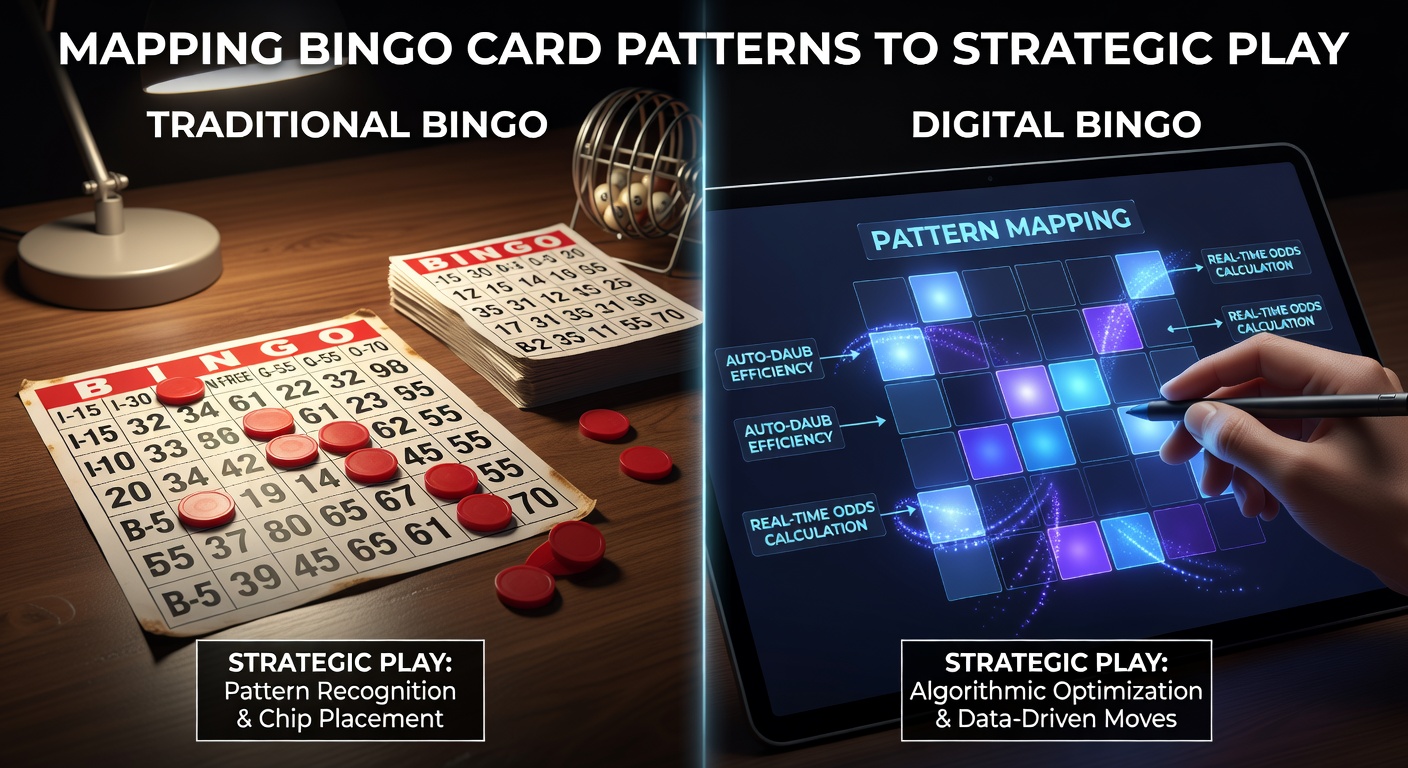
Traditional bingo relies on fixed patterns that determine winning combinations, and players who map these patterns often adjust their card selections before games begin. Observers note that common patterns include straight lines across rows or columns, diagonal connections, and full-card coverage, each requiring different levels of attention during number calls. Research from gaming studies shows that understanding these structures allows participants to track called numbers more efficiently, particularly in settings where multiple cards are in play at once.
Core Patterns in Traditional Bingo Environments
Community halls and licensed venues typically feature patterns that range from simple horizontal rows to more complex shapes such as postage stamps or windmills. Data collected by industry analysts indicates that straight-line patterns account for the majority of wins in standard sessions, while specialized shapes appear more frequently during themed events. Those who study bingo operations find that participants often prepare by reviewing pattern boards displayed at the start of each round, which helps them prioritize which cards to monitor closely as numbers are drawn.
Physical card layouts printed on paper or cardboard sheets present a fixed grid of 5 by 5 squares with a free space in the center, and this structure influences how patterns develop during play. Experts have observed that players who pre-mark potential winning lines on spare sheets before games start gain an edge in speed when actual calls begin. Figures from venue reports reveal that sessions with rapid number draws place greater emphasis on pattern recognition, since delays in marking can result in missed wins even when the required numbers appear.
Strategic Card Selection and Tracking Methods
Seasoned participants frequently select multiple cards that cover overlapping patterns, a technique that increases the chance of completing at least one winning line per round. According to records maintained by regional gaming authorities, average card purchases per player have risen steadily as more individuals adopt multi-card strategies. The process involves scanning each card for number distribution and choosing combinations that avoid heavy clustering in single areas, which reduces redundancy during marking.
Live environments demand continuous attention to called numbers alongside pattern completion, and many players use colored daubers to highlight progress on each card. Studies conducted by university research teams have documented how visual grouping of marked numbers speeds up recognition of near-complete patterns. In practice, those who divide their cards into sections and assign mental priorities to high-probability patterns tend to finish games faster than players who treat every card equally.
Transition to Digital Platforms and Pattern Adaptation
Online bingo systems replicate traditional patterns yet introduce automated marking that removes the physical dauber step. Software interfaces display grids that highlight completed lines instantly, which shifts strategy toward selecting game rooms with favorable payout structures rather than manual tracking. Industry data shows that digital formats account for a growing share of total bingo participation, particularly among users who access games through mobile applications.
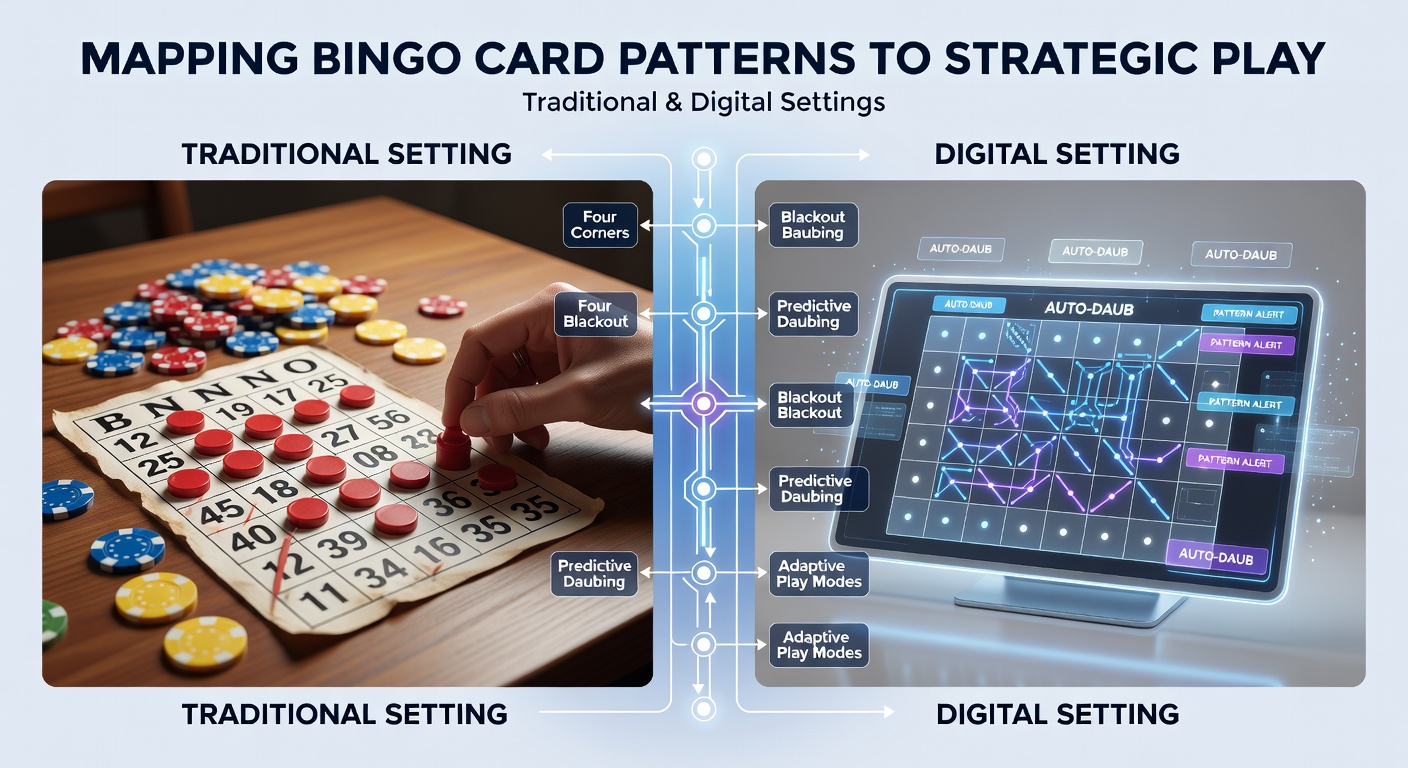
Algorithm-driven platforms often include optional pattern previews that appear before each game, allowing users to decide which rooms align with preferred winning shapes. Reports from gaming research organizations indicate that players who review these previews achieve higher completion rates in shorter sessions. Digital tools also provide statistics on pattern frequency within specific time slots, giving participants data they can use to time their entries more effectively.
Comparative Analysis Across Settings
Traditional venues emphasize social interaction and physical card handling, while digital environments prioritize speed and data overlays. Yet both formats require the same foundational understanding of how patterns form on the grid. Observers have noted that individuals who begin in halls and later move to apps often carry over the same card-selection habits, simply adapting them to on-screen tools. Evidence from player surveys suggests that hybrid approaches, where participants alternate between physical and digital play, maintain consistent win probabilities across both mediums.
Regulatory frameworks in various regions, including guidelines issued by the Nevada Gaming Control Board, require transparency in pattern rules and payout disclosures for both physical and online operators. Similar standards appear in Australian state gaming commissions, which track pattern distribution to ensure fair play. These requirements help maintain consistent expectations regardless of the setting chosen by participants.
Upcoming Developments in May 2026
Industry conferences scheduled for May 2026 will address integration of advanced analytics into bingo software, focusing on real-time pattern mapping features. Early announcements from trade associations indicate that sessions will cover updates to digital interfaces that display probability heatmaps for each pattern type. Such tools could allow users to adjust card selections dynamically during ongoing games, a capability currently limited to post-round reviews.
Developers continue to test features that synchronize multiple devices for group play, preserving the communal aspect of traditional halls within digital formats. Data projections from market research firms suggest continued growth in these hybrid models through the remainder of the decade.
Conclusion
Mapping bingo card patterns to strategic decisions remains relevant across both traditional halls and digital platforms because the underlying grid structures stay constant. Participants who apply consistent tracking methods, whether with physical markers or automated highlights, position themselves to respond quickly when numbers align with target shapes. Ongoing refinements in software and venue practices continue to support this core approach without altering the fundamental rules that govern play.