28 Jun 2026
How Community Gatherings Modify Bingo Language and Traditions to Include All Ages in Various Locations
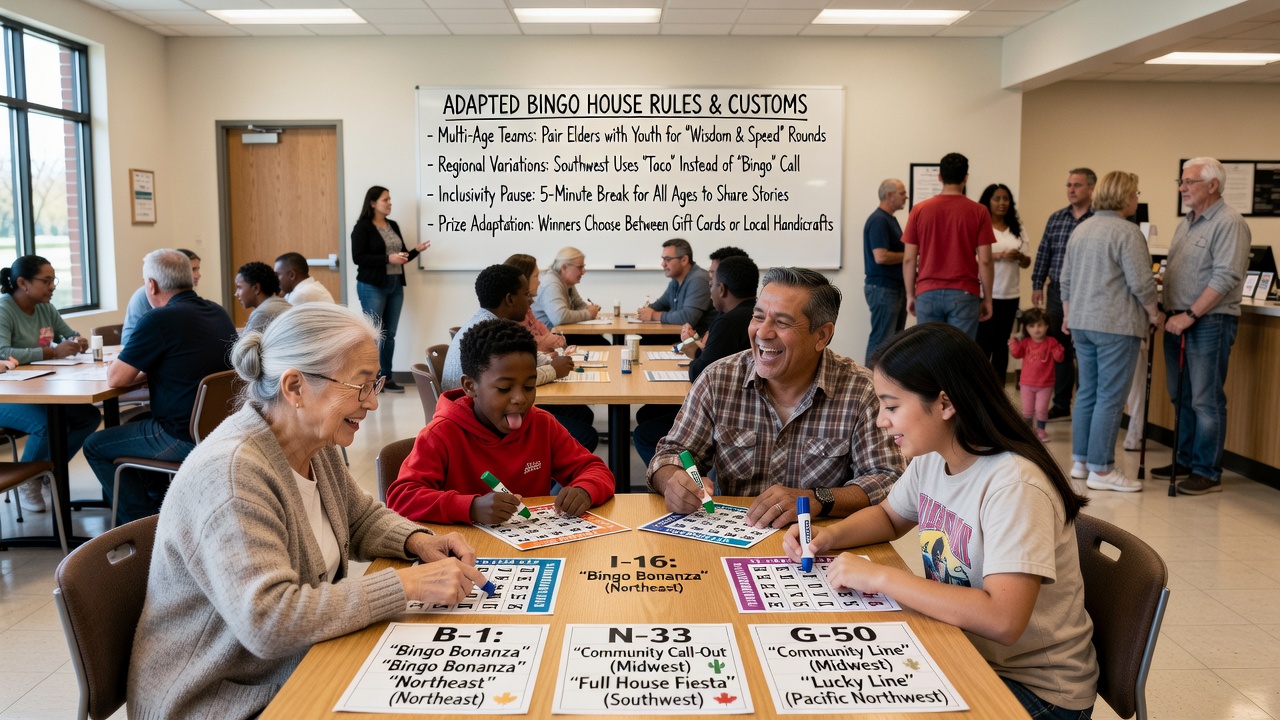
Community gatherings across multiple regions have developed specific ways to adjust bingo terminology and house customs so participants from different age groups can join without barriers, and these changes reflect local demographics along with cultural expectations for inclusive events.
Terminology shifts often start with number announcements, where callers replace traditional nicknames with straightforward numeric references or add brief explanations that help younger players while remaining clear for older adults who may have hearing considerations. In North American community centers, for instance, phrases like "two little ducks" give way to direct calls such as "twenty-two" paired with visual aids on large screens, a practice documented in program guidelines from municipal recreation departments.
Terminology Adjustments Across Age Groups
Observers note that regions with high multi-generational attendance introduce simplified pattern descriptions to accommodate children learning the game for the first time, whereas senior-focused groups retain classic phrasing but slow the pace during calls. Studies from Canadian recreation associations show that events incorporating both approaches report higher retention rates across age brackets, since the language remains consistent within each session yet allows for pre-game tutorials that explain any regional slang variations.
What's interesting is how some gatherings blend elements by using bilingual announcements in areas with diverse populations, such as parts of Australia where English and community languages appear together on cards and through speakers. This method supports families attending together and aligns with data from local government leisure reports indicating broader participation when announcements avoid exclusive idioms that might exclude non-native speakers or very young attendees.
House Customs Tailored for Mixed Participation
House customs evolve through practical modifications like adjusted prize structures that include small non-monetary rewards suitable for all ages, alongside rules permitting team play where parents assist children without altering the core random draw mechanics. In European community halls, sessions frequently pause between rounds to allow explanations of winning patterns, a custom that emerged from feedback collected by regional event coordinators and helps maintain engagement without extending overall session times excessively.
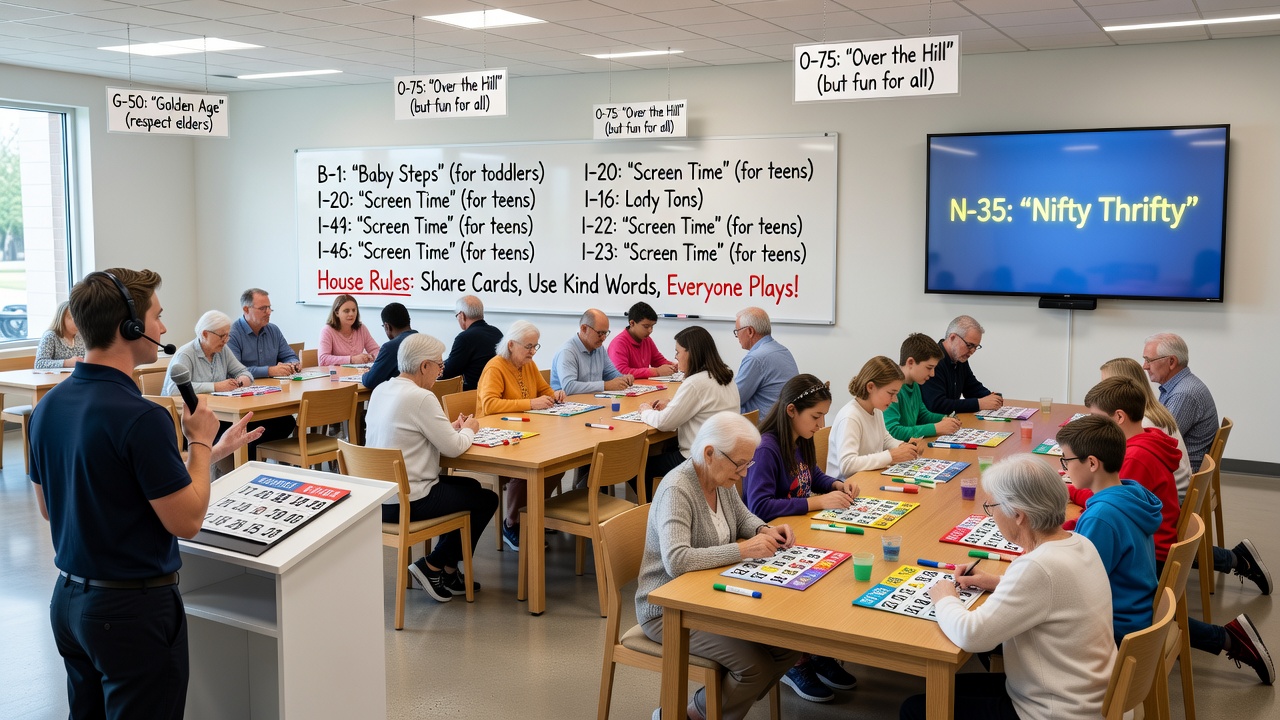
Those who've studied attendance patterns find that venues in the United States often introduce quiet zones or designated family tables where movement is limited during play, reducing distractions for seniors while giving children space to ask questions between numbers. Research indicates these spatial customs correlate with increased repeat visits, according to figures released by state-level parks and recreation agencies.
Regional Examples of Adaptation Practices
Across Australia, community centers in suburban areas have adopted digital displays that show both numeric calls and illustrated patterns simultaneously, a response to reports from local councils noting higher family turnout when technology bridges gaps between traditional verbal customs and modern accessibility needs. Similar setups appear in Canadian provinces where winter community nights feature hybrid formats combining paper cards for tactile preference with projected explanations for clarity.
European gatherings, particularly in Scandinavian community centers, emphasize consensus-based rule setting at the start of each event, allowing attendees to vote on minor custom tweaks such as call speed or pattern complexity. Data compiled by Nordic leisure research groups reveals these participatory approaches lead to sustained involvement from multiple generations because everyone contributes to the session framework rather than following rigid external standards.
Community programs scheduled through June 2026 continue to incorporate these regional adjustments as part of broader efforts to expand access, with coordinators tracking participation metrics to refine terminology and customs further based on direct input from mixed-age groups.
Conclusion
Adaptations in terminology and house customs enable community bingo events to serve wider audiences by addressing specific needs tied to age and location, and ongoing documentation from recreation authorities shows these modifications remain responsive to local feedback rather than following uniform templates. The result is a flexible framework that preserves core game elements while supporting inclusive participation wherever gatherings occur.