29 May 2026
Exploring Regional Bingo Customs and Their Influence on Player Interactions in Community Settings
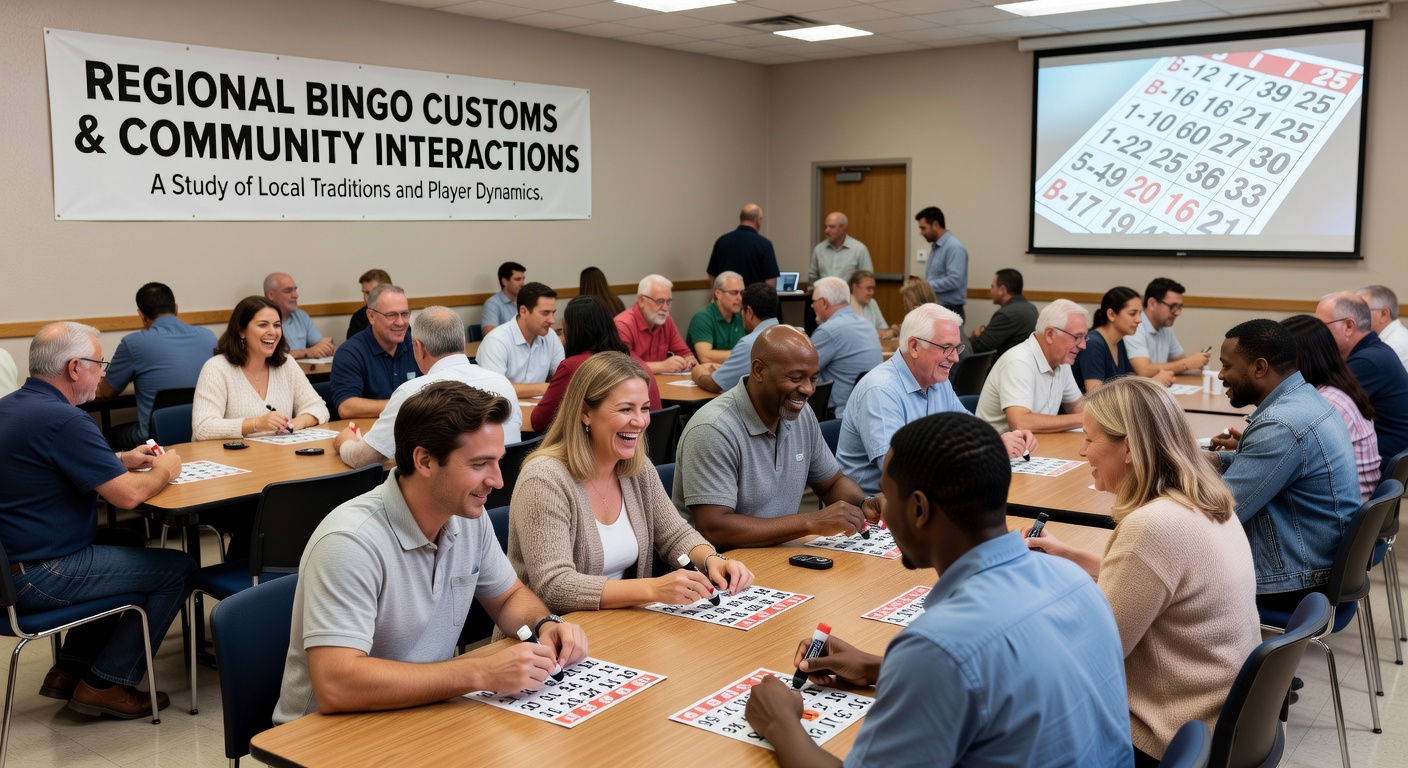
Bingo customs vary widely across regions and these differences shape how participants connect with one another inside community halls, while also guiding the pace of games along with the level of conversation that occurs between rounds. Observers note that local traditions often determine whether players focus strictly on numbers or whether they pause for shared stories and group rituals that strengthen neighborhood ties.
North American Variations and Social Dynamics
In many parts of the United States players rely on distinctive calling phrases that reflect local history and humor, and these verbal flourishes prompt laughter plus quick exchanges across tables during each game. Research indicates that halls in the Midwest frequently incorporate themed nights where participants bring dishes to share, creating opportunities for extended discussions before cards are marked and after winners claim prizes. Data from community surveys shows that such practices increase repeat attendance because newcomers receive introductions from regular players who explain the house rules in person.
Canadian community centers meanwhile emphasize group chants that accompany number calls, and this collective vocal participation builds a rhythm that keeps everyone synchronized while also encouraging side conversations during short breaks. Those who study leisure patterns report that bingo nights in rural provinces serve as primary gathering points for older residents, and the structured pauses between games allow time for updates on family events or local news that might otherwise go unshared.
European and Australian Adaptations
Across parts of Europe bingo sessions integrate elements from traditional card games, which means players sometimes trade cards mid-round under agreed customs that foster trust and light negotiation. Evidence suggests these exchanges lead to longer-lasting friendships because participants learn each other's preferences through repeated interactions rather than isolated play. In Australia community clubs combine bingo with fundraising efforts for local causes, and the dual purpose draws in volunteers who coordinate seating arrangements and prize distributions, further deepening connections among attendees who might not meet elsewhere.
What's interesting is how these regional customs affect the flow of conversation inside the halls, since some locations discourage talking during active games while others treat the entire evening as a social event with continuous chatter that builds familiarity over weeks and months. Figures from leisure studies reveal that halls maintaining open dialogue report higher rates of new member recruitment because visitors feel welcomed immediately upon arrival.
Influence on Group Cohesion and Newcomer Integration
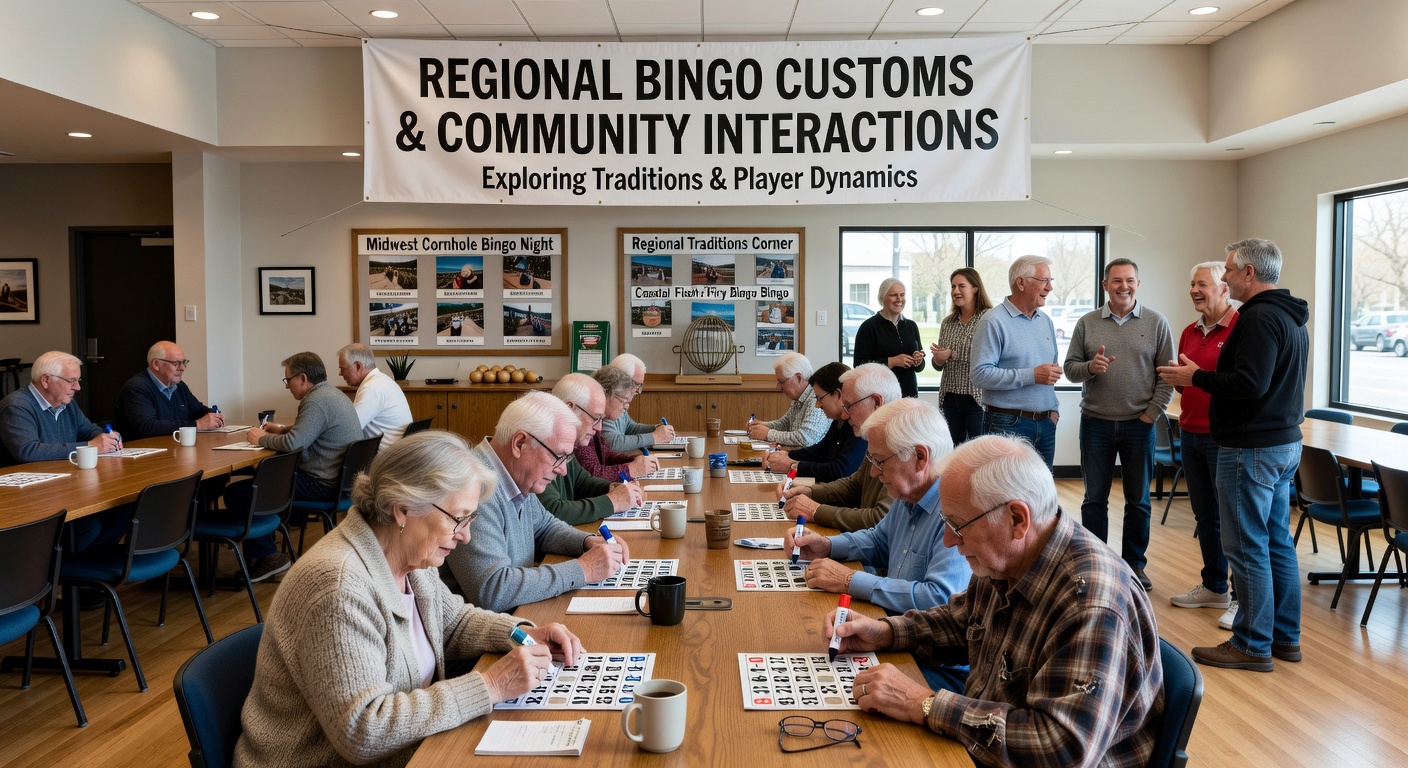
Customs that encourage pre-game mingling create pathways for experienced players to mentor beginners on pattern recognition and number tracking, and this knowledge transfer happens naturally through casual observation rather than formal instruction. Researchers discovered that such mentoring reduces the intimidation factor for first-timers, leading to quicker integration into the larger group dynamic. In settings where rituals include collective cheers for every winner, the positive reinforcement spreads across the room and reinforces a sense of shared success that extends beyond individual prizes.
But here's the thing: regions that prioritize silent concentration during play still see strong bonds form afterward because post-game prize presentations often include brief speeches that highlight community contributions. Those who've studied these patterns know the shift from quiet focus to open celebration marks a deliberate transition that preserves both the integrity of the game and the opportunity for social exchange. Data shows attendance spikes when halls announce seasonal events that blend standard bingo with local festivals, drawing families who then return for regular sessions because the initial experience felt inclusive.
Looking Ahead to Community Trends
Community organizers continue to adapt these customs as demographics shift, and planning documents indicate several halls will introduce hybrid formats by May 2026 that combine in-person rituals with live-streamed elements for remote participants. This evolution preserves core traditions while expanding access, allowing distant relatives to join family bingo nights and maintain interaction patterns that previously required physical presence. Observers note that successful adaptations retain the verbal flourishes and group chants even in digital overlays, ensuring the social texture of regional play survives the transition.
Conclusion
Regional bingo customs continue to guide player interactions by setting expectations around conversation, ritual, and group participation, and these practices strengthen community bonds across diverse locations. Data from multiple studies confirms that halls honoring local traditions experience sustained engagement because participants value both the game itself and the relationships formed around it. As formats evolve the underlying customs provide continuity that keeps community settings vibrant and connected.