19 Jul 2026
Examining How Venue Acoustics Affect Number Recognition Accuracy During Extended Group Gaming Sessions
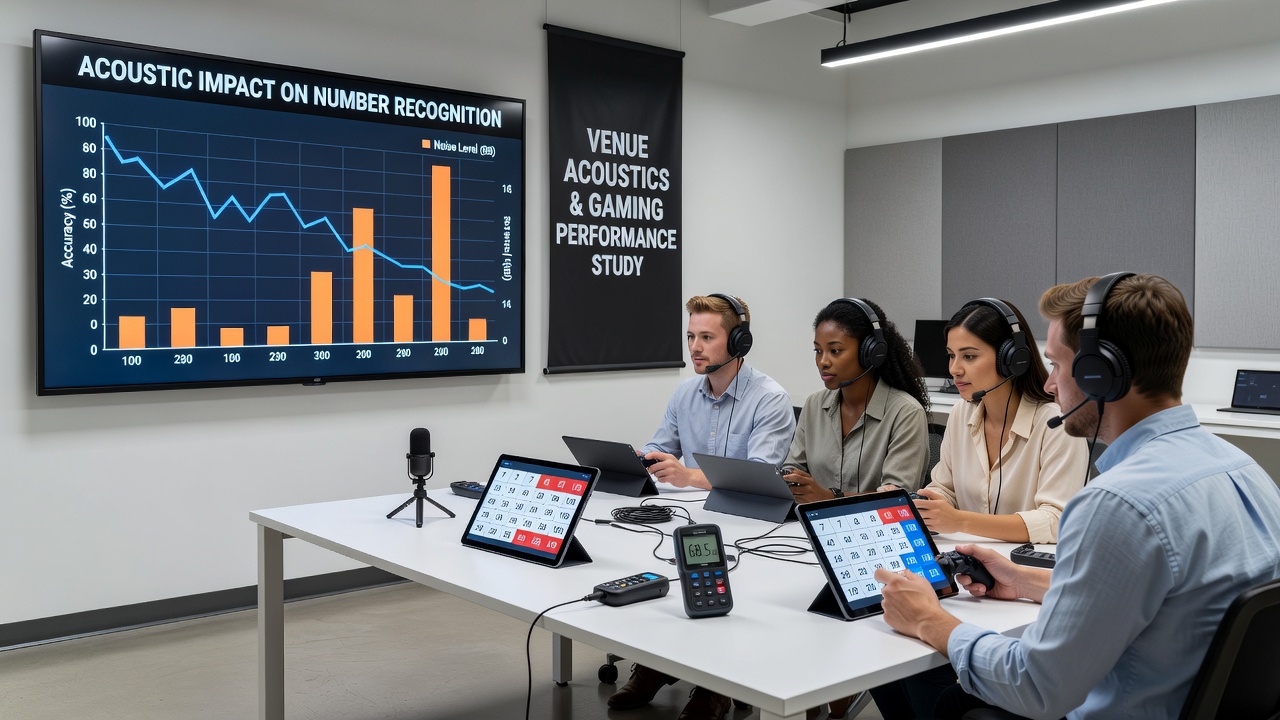
Venue acoustics play a measurable role in how accurately participants recognize numbers called during lengthy group gaming events, and researchers continue to track these variables across multiple regions. Large halls often feature reflective surfaces that extend sound paths, which in turn can blur consonant sounds critical for distinguishing numbers like fourteen from forty. Data collected from community centers in North America and Europe shows that reverberation times exceeding 1.8 seconds correlate with higher rates of misheard calls once sessions stretch beyond two hours.
Core Acoustic Factors in Gaming Environments
Sound behaves differently in spaces designed primarily for gatherings rather than optimized listening, and background noise from ventilation systems or adjacent areas adds another layer of interference. Studies conducted by the Acoustical Society of America have documented how early reflections can mask the initial syllables of numbers, forcing players to rely more heavily on visual cues or repeated announcements. When ceilings remain untreated and walls consist of hard materials, the resulting echo patterns increase cognitive load, particularly as fatigue accumulates through repeated rounds.
Frequency response matters as well, since many calling systems emphasize mid-range tones that travel efficiently yet suffer distortion in overly live rooms. Observers note that venues with added absorption panels demonstrate steadier accuracy scores even after four or five hours of continuous play, while untreated spaces show measurable drops starting around the ninety-minute mark. These patterns hold across both traditional bingo formats and similar number-based group activities that rely on verbal delivery.
Effects During Prolonged Sessions
Extended gaming stretches introduce cumulative strain on auditory processing, and venue acoustics amplify this effect rather than mitigate it. Research indicates that speech intelligibility indices below 0.65 lead to progressive declines in number identification, especially when participants have already processed several hundred calls. In July 2026, aggregated reports from multiple international gaming associations highlighted that sessions lasting past midnight experienced the steepest accuracy reductions in halls lacking acoustic treatment, whereas venues with balanced sound design maintained steadier performance throughout.
Players seated farther from speakers encounter greater challenges because distance compounds reverberation and reduces direct sound energy reaching the ear. Case examples from Canadian community centers reveal that rearranging seating layouts to minimize path length differences improved recognition rates by measurable margins during tournaments exceeding three hours. Background hum from air conditioning or crowd murmur further masks softer consonant elements, turning clear announcements into sequences that require extra mental effort to decode accurately.
Measurement Approaches and Industry Data
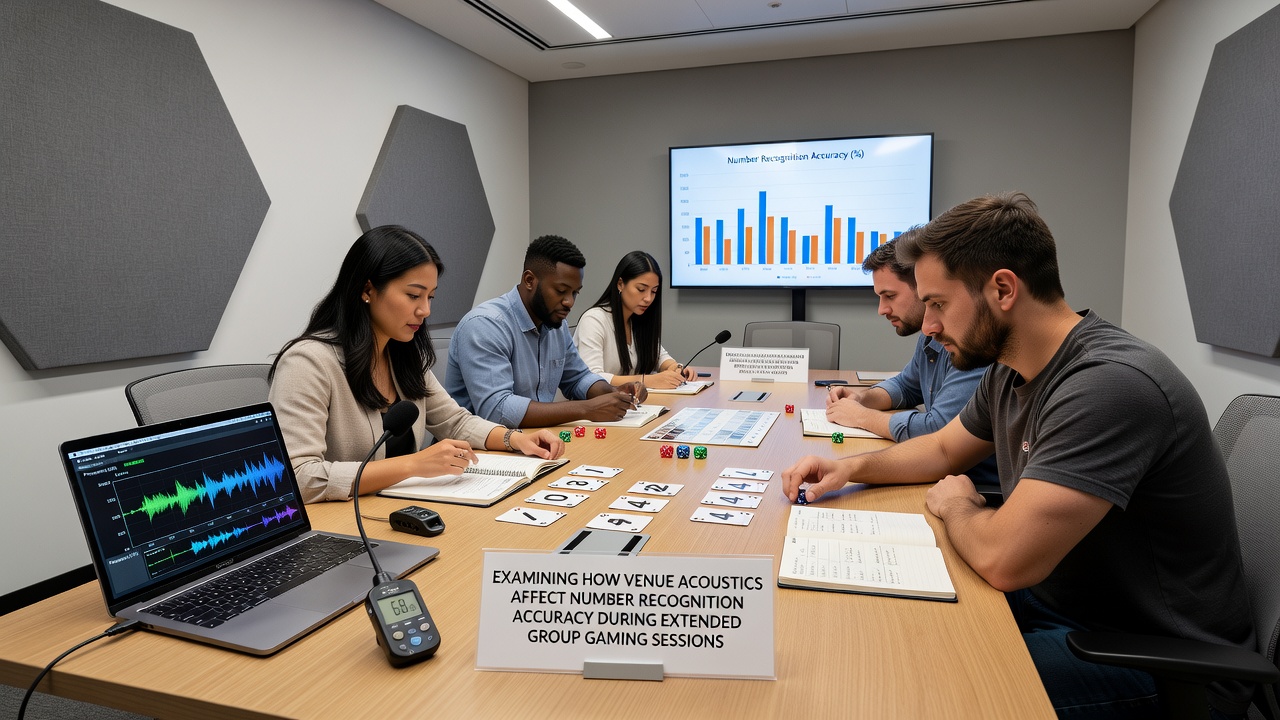
Professionals assess these environments using standardized tools such as speech transmission index calculations and impulse response recordings, and results feed directly into venue improvement plans. Figures released by the Australian Institute of Sport and Recreation Acoustics show that targeted interventions like ceiling clouds and wall diffusers can raise intelligibility scores enough to offset typical fatigue-related declines. Those who monitor large-scale events report that consistent calibration of amplification systems helps maintain clarity even when attendance fluctuates throughout an evening.
Regional variations appear in how different climates influence building materials and therefore acoustic profiles, with drier environments sometimes producing sharper reflections that affect higher-frequency number elements. Gaming operators in several jurisdictions now incorporate acoustic reviews into routine maintenance schedules, recognizing that physical space characteristics influence operational outcomes over time. Data from collaborative projects between university engineering departments and gaming venues continue to refine guidelines for optimal sound conditions during extended play periods.
Practical Adjustments Observed in Practice
Venues have implemented directional speaker arrays and zoned sound distribution to reduce uneven coverage, and these changes produce documented improvements in number recognition consistency. When organizers schedule brief pauses between segments, they allow auditory systems brief recovery windows that partially counteract cumulative acoustic strain. Equipment upgrades focused on clearer enunciation and reduced distortion also complement physical room treatments, creating layered approaches that address both source and environment simultaneously.
Training for callers now sometimes includes guidance on pacing and emphasis patterns that remain effective across varying acoustic conditions, while monitoring technology tracks real-time feedback from participants about clarity levels. Such measures reflect broader recognition that environmental sound properties form an integral part of session design rather than an afterthought.
Conclusion
Acoustic conditions in gaming venues directly shape how reliably numbers reach participants during long sessions, and ongoing measurements provide concrete data for refinement. Continued collaboration between acoustic specialists and gaming operators supports environments where recognition accuracy holds steadier across extended durations. As facilities update their spaces with these considerations in mind, the relationship between sound behavior and participant performance becomes increasingly predictable and manageable.