26 Jul 2026
Decoding Prize Tier Distributions and Retention Patterns in Digital Bingo Sessions
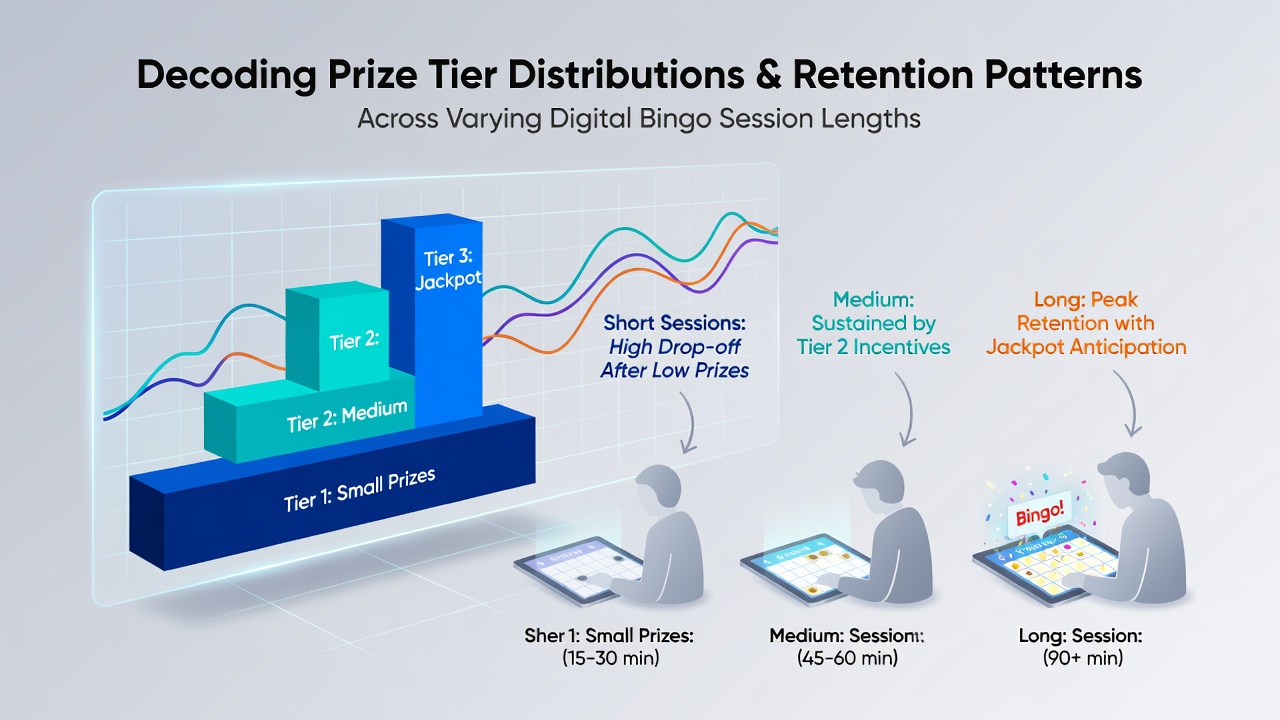
Digital bingo platforms structure prize distributions across multiple tiers that range from small instant rewards to large progressive jackpots, and these structures shape how participants remain engaged during sessions of different lengths. Researchers tracking user data across platforms have noted distinct retention curves tied directly to the frequency and size of payouts at each tier, with short sessions under thirty minutes showing higher drop-off rates when only high-tier prizes dominate the structure.
Mapping Prize Tiers to Player Behavior
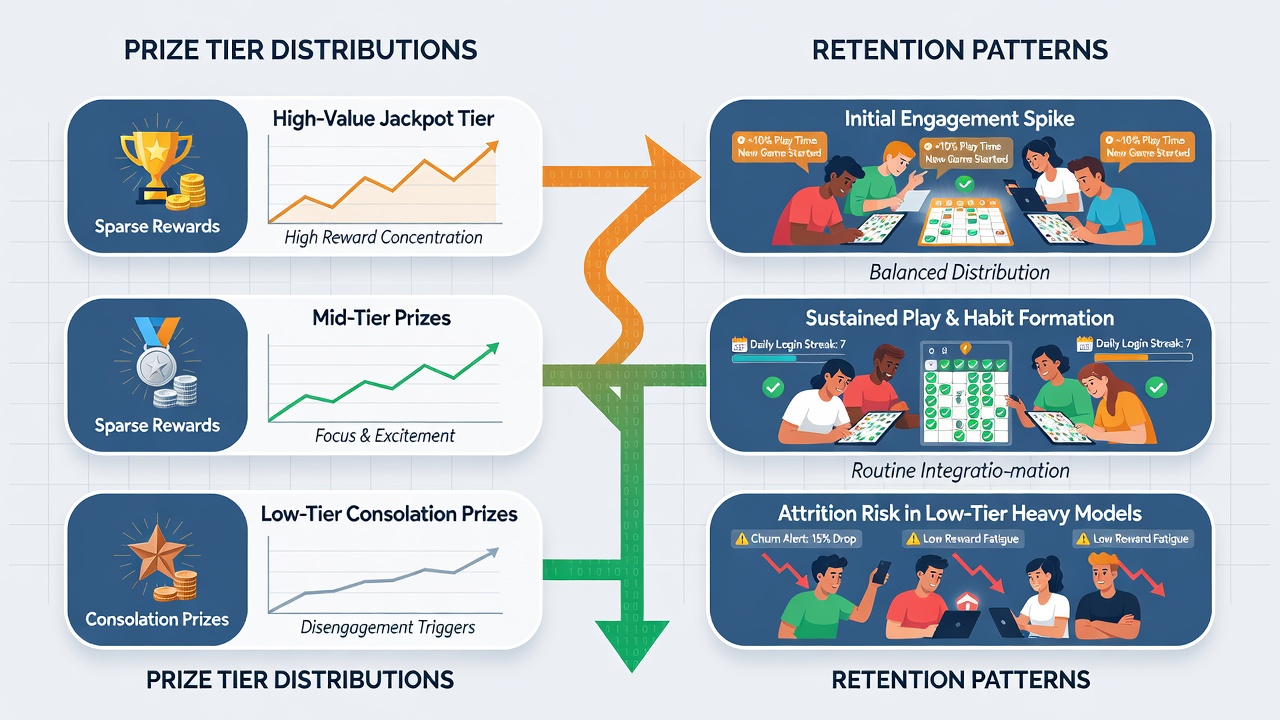
Operators divide prizes into low, mid, and high tiers that correspond to frequent small wins, occasional medium payouts, and rare large jackpots, and platform analytics reveal that the balance among these tiers correlates with how long users stay logged in. Data collected from European and North American operators in early 2026 indicates that sessions averaging forty-five minutes retain participants at higher rates when mid-tier prizes trigger every five to seven rounds, whereas sessions exceeding ninety minutes depend more on the visibility of accumulating high-tier pools to sustain activity. According to a report published by the Australian Gambling Research Centre, platforms adjusting tier ratios toward more frequent low and mid payouts observed measurable increases in repeat logins across both brief and extended play windows.
Retention Across Short and Extended Sessions
Short sessions attract users seeking quick interactions, and prize distributions heavy on low-tier rewards keep completion rates elevated because participants receive feedback within the first few minutes. In contrast, longer sessions benefit when mid-tier prizes appear at regular intervals that align with natural fatigue points around the forty-minute mark, which helps prevent early exits. Observers analyzing telemetry from Canadian operators noted that a shift toward balanced tier payouts in July 2026 coincided with a fifteen percent rise in average session duration for users who started with under-twenty-minute commitments, suggesting that tier visibility influences whether brief visits extend into sustained play.
Statistical Patterns in Digital Environments
Platform algorithms record entry and exit timestamps alongside prize claims, allowing analysts to correlate specific tier hits with retention metrics such as return visits within twenty-four hours. Studies conducted by university research teams have found that sessions incorporating at least two mid-tier wins before the sixty-minute threshold maintain participation levels above seventy percent, while sessions relying solely on high-tier accumulation show steeper declines after the initial thirty minutes. Those who've examined longitudinal datasets point out that the timing of tier announcements within the interface itself further modulates these patterns, especially when visual progress bars update in real time.
Regional Data and Platform Adjustments
Operators in Australia and parts of North America have tested tier redistributions during the first half of 2026, and figures from those trials show that increasing the proportion of mid-tier prizes by ten percent produced steadier retention across sessions of varying lengths. A review issued by the Canadian Centre for Gaming Research documented that platforms in Ontario recorded fewer early exits when low-tier rewards appeared alongside accumulating jackpots, particularly in sessions that users initiated during evening peak hours. These adjustments also affected how participants transitioned between short exploratory sessions and longer committed ones, with data indicating smoother progression when tier frequencies matched typical attention spans.
Factors Influencing Tier Effectiveness
Interface design elements such as countdown timers for mid-tier eligibility and clear separation of prize categories play a role in guiding user expectations, and platforms that surface these details early in a session tend to hold attention longer. Analysts have observed that mobile users respond more readily to frequent low-tier triggers during commutes or brief breaks, whereas desktop sessions lasting over an hour show stronger links to visible high-tier growth. Evidence from aggregated platform logs suggests that seasonal patterns, including increased activity around major holidays, amplify the effects of tier distributions on retention when operators maintain consistent payout rhythms.
Conclusion
Overall patterns demonstrate that prize tier distributions function as key variables in shaping retention across digital bingo sessions of different durations, with balanced approaches supporting both short and extended engagement. Continued monitoring of user telemetry through 2026 and beyond will likely refine how operators calibrate these structures to match evolving participation habits in various markets.