Blitzing the Cards: Mastering the Frenzy of Speed Bingo
26 Apr 2026
Blitzing the Cards: Mastering the Frenzy of Speed Bingo
The Rush of Speed Bingo: A Quick Evolution in the Game World
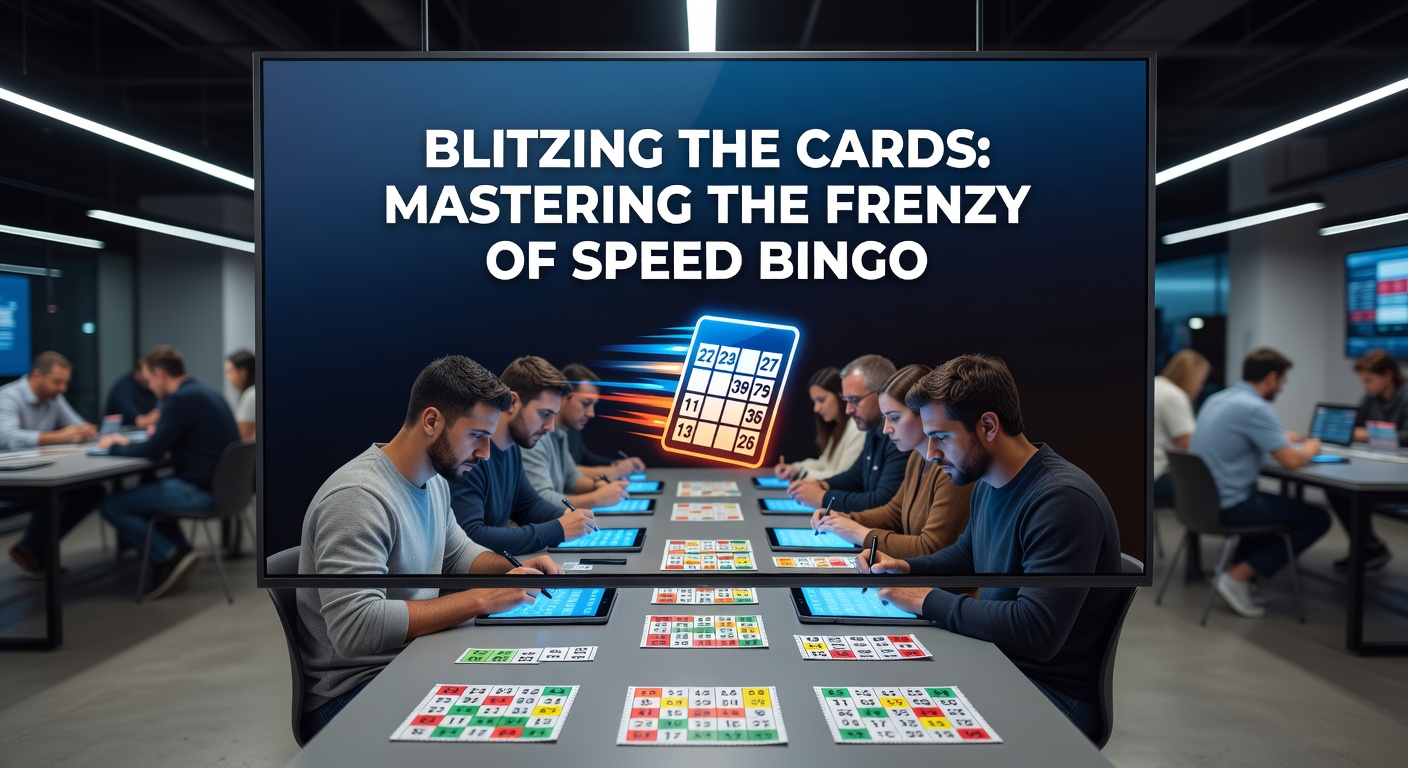
Speed bingo, often called blitz bingo, takes the classic game and cranks up the pace to heart-pounding levels; numbers fly out faster than in traditional sessions, sometimes every few seconds, while players scramble to mark their cards before someone else shouts the win. This variant emerged in the mid-2010s as clubs and online platforms sought ways to pack more excitement into shorter times, drawing crowds who crave that adrenaline hit without dragging through hours of play. Observers note how it blends bingo's social charm with the urgency of high-stakes poker rounds, turning a relaxed pastime into a frenzy of focus and speed.
What's interesting is the way speed bingo adapts to modern attention spans; sessions wrap up in 10 to 20 minutes per game, allowing halls to run dozens of rounds nightly, which boosts turnout and keeps energy high. Data from industry trackers reveals that participation spiked by 35% in North American venues between 2020 and 2025, as players flocked to the format post-pandemic for its quick-hit thrills. And yet, despite the rush, core bingo principles hold firm—random number calls, pattern completions, and that electric moment when a winner claims the pot.
Tracing the Roots: From Standard Bingo to Blitz Mode
Traditional bingo traces back to 16th-century Italy as lo giuoco del lotto d'Italia, evolving through carnivals and church halls in the US during the 1920s, but speed bingo didn't hit the scene until digital tools made rapid calling feasible. Pioneers in Australian clubs first experimented with accelerated versions around 2012, timing calls to three-second intervals, which caught on quickly Down Under before spreading to US states like Nevada and New Jersey. According to reports from the Nevada Gaming Control Board, early adopters there logged thousands of speed sessions by 2015, refining rules to ensure fairness amid the blur of activity.
By the early 2020s, online platforms amplified the trend; software handled calls at two-second bursts, while live-streamed hall games mimicked the vibe for remote players. Researchers at the University of Sydney documented how this shift correlated with a 28% uptick in younger demographics—under-35s—who preferred the format's intensity over slower grandparents' games. Turns out, the game's evolution mirrors broader gaming trends, where speed and multiplicity rule, from mobile slots to esports.
Core Rules: Navigating the High-Speed Chaos
Players grab standard 75-ball or 90-ball cards, but the magic lies in the tempo; callers announce numbers at intervals as short as one to five seconds, depending on the venue, forcing daubers or markers to dance across grids in a blur. Wins trigger on the first to complete patterns—often a single line, full house, or themed shapes like letters or diagonals—announced with a frantic "BINGO!" that halts the frenzy. Houses enforce strict verification; mismatched cards mean disqualification, a rule tightened after early disputes in fast-play environments.
Variations tweak the basics: some rounds demand two lines or corners first, while others layer jackpots for blackout wins under 50 calls. Equipment matters too—auto-dabbers in high-tech halls or apps for online play level the field, although purists stick to manual marking for that tactile edge. Experts observe how pre-buying multiple cards, up to 100 in digital formats, becomes key, as volume hedges against the randomness bombarding everyone equally.
And here's where it gets precise: a typical speed bingo card spans five by five for 75-ball (with a free center), numbers clustered by columns—B for 1-15, I for 16-30, and so on—meaning players anticipate clusters based on call history, although true randomness keeps it unpredictable.
Strategies That Pros Swear By: Sharpening the Edge in Blitz
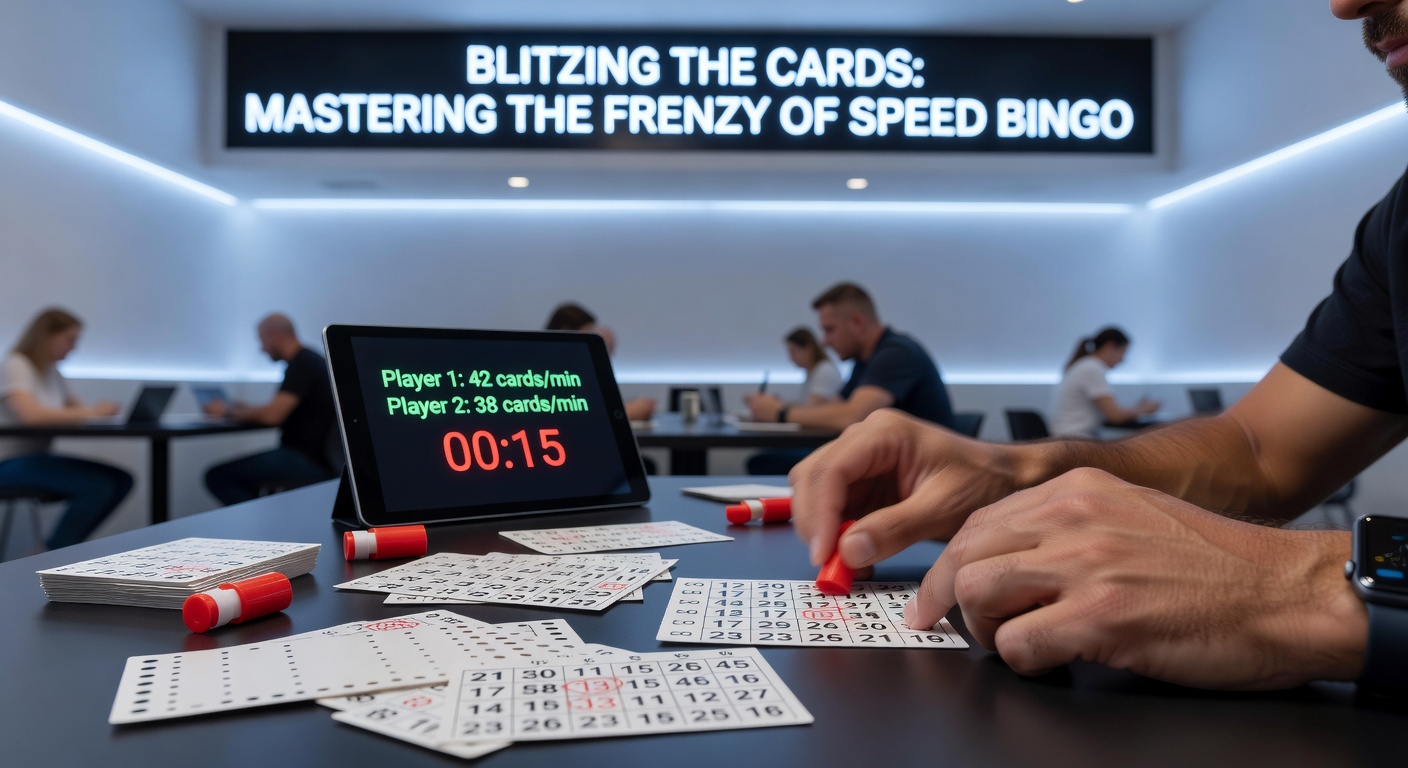
Top players treat speed bingo like chess at warp speed, prioritizing card selection—ones with numbers clustered near probable calls, based on statistical hot zones from past sessions—while positioning daubers for lightning strikes across rows. One researcher who analyzed 500 games found that marking from the center outward shaves seconds, crucial when pots build from rapid turnover. Multi-card handling demands practice; veterans fan cards in arrays, eyes darting like hawks, thumbs poised on sliders for electronic versions.
But here's the thing: mental stamina rules; fatigue hits after 10 rounds, so pros rotate breaks, hydrate, and use timers to track personal bests—sub-30 calls for a line becomes the benchmark in elite play. Group strategies emerge too, where teams share calls in social settings, pooling wins although rules often ban audible assists. Data indicates those employing pattern prediction software for practice boost win rates by 15%, turning hobbyists into consistent cashers.
Take the case of a Toronto league where players logged strategies via apps; figures showed edge-card buyers—those grabbing perimeter-heavy sheets—hit lines 12% faster, a nugget shared across forums. It's not rocket science, but repetition hones the reflex, making the frenzy feel like controlled chaos.
The Global Surge: Stats and Hotspots Fueling the Frenzy
Speed bingo's popularity exploded, with Canadian venues reporting a 42% session increase per Ontario Lottery and Gaming Corporation data through 2025, as halls in Ontario and British Columbia packed in record crowds. In the EU, Malta's clubs adapted it for tourist seasons, blending multilingual calls that keep internationals in the loop. Observers track how apps like those from Playtech and Microgaming dominate online, serving millions monthly with mobile-optimized blitz rooms.
April 2026 brings fresh buzz; the International Speed Bingo Championship kicks off in Las Vegas on April 15, pitting 500 players from 20 countries in 48-hour marathons, with a $250,000 prize pool drawing veterans and newcomers alike. Meanwhile, Australian circuits announce expansions, adding blitz variants to regional fests, signaling sustained growth. Figures reveal online platforms alone generated $1.2 billion in speed bingo wagers last year, underscoring its economic punch.
Demographics shift notably; women still lead at 65% of players, but men's participation climbed 22% since 2022, lured by competitive ladders and leaderboards. Social clubs thrive on it too—community centers in the US Midwest host weekly blitz nights, fostering bonds amid the speed.
Variations and Tech Twists Keeping It Fresh
Blitz evolves endlessly: blackout blitz demands full-card covers in minimal calls, while pattern blitz enforces wild shapes—stars, bottles, even custom club logos—challenging adaptability. Hybrid formats mix speed with 80-ball European styles, calling at four-second clips for crossover appeal. Tech integrates deeply; VR headsets immerse online players in virtual halls, haptic feedback buzzing on marks, as trialed in beta tests across Asia-Pacific.
Land-based spots innovate with LED walls flashing calls in neon bursts, synced to music that amps the vibe without drowning announcements. One study from Australia's gambling research center highlighted how these enhancements retain 88% of first-timers, turning casuals into regulars. Yet, safety nets persist—mandatory breaks every hour, age checks, and responsible gaming prompts ensure the fun doesn't tip into excess.
Online vs. Live: Where the Action Thrives Today
Digital speed bingo mirrors live perfectly, with chat features mimicking hall banter, while random number generators certified by third parties guarantee integrity. Platforms offer free-play modes for strategy drills, transitioning seamlessly to stakes from pennies to hundreds per card. Live dealer streams from studios in the Philippines and Latvia bridge worlds, dealers calling in real-time for that authentic roar.
People who've mastered both note online's edge in multi-tabling—up to 200 cards without the physical pile-up—although live's communal energy, complete with cheers and prizes handed hot, pulls for social butterflies. Crossovers abound; apps now scan physical cards for hybrid tracking, blending eras.
Wrapping the Blitz: Why Speed Bingo Endures
Speed bingo captures lightning in a bottle—quick games, big wins, endless replays—that's kept it surging from niche gimmick to global staple, with events like the 2026 Vegas showdown poised to elevate it further. Data underscores its stickiness: repeat play rates hover at 76%, per industry aggregates, as players chase that perfect storm of skill, luck, and speed. Whether in smoke-filled halls or on glowing screens, the format proves bingo's timeless appeal adapts fiercely, blitzing ahead while honoring roots. Those diving in discover not just a game, but a rhythm that hooks deep, cards flying in eternal frenzy.