26 Jun 2026
Bingo's Secret Code: The Stories That Give Numbers Their Playful Names in Halls Everywhere
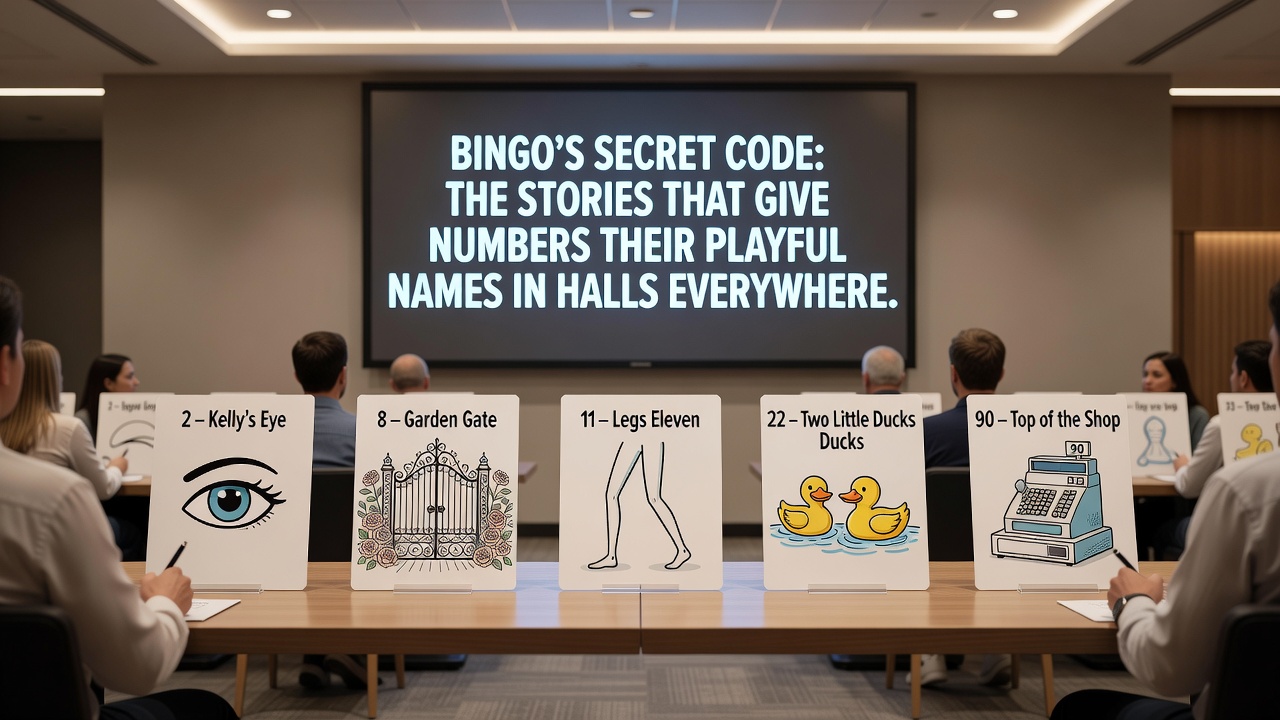
Bingo number nicknames emerged from military slang and pub culture in the early twentieth century, where callers needed quick memorable phrases to keep large groups engaged during fast-paced games. These names draw from rhyming patterns, historical events, and visual resemblances that players recognize instantly across generations.
Roots in British Military Tradition
Many early calls trace directly to the British army's Tombola games played by soldiers during both world wars, when numbered tickets helped fill downtime between operations. Callers adapted phrases from everyday military life, turning numbers into shorthand that traveled back home with returning troops and entered civilian bingo halls by the 1950s. Research from the University of Leicester's gaming history project shows these phrases spread through returning service members who introduced them at working men's clubs.
Classic Number Nicknames and Their Origins
Number one often receives the call "Kelly's Eye," a reference to an 1890s British soldier named Kelly who lost an eye yet continued serving, according to records preserved at the National Army Museum. Two becomes "One Little Duck" because the numeral resembles a swimming bird, while twenty-two expands to "Two Little Ducks" for the matching pair. Number eighty-eight draws "Two Fat Ladies" from the visual shape of the digits, a phrase documented in bingo logs from Manchester clubs dating to 1963.
Seventy-seven earns "Two Hockey Sticks" for its visual match to crossed sticks on the field, whereas number nine frequently becomes "Doctor's Orders" after a popular 1940s film line about a nine o'clock tonic. Observers note that these associations persist because they trigger immediate recognition without requiring players to scan cards repeatedly during rapid calls.
Regional Variations Across Continents
Australian bingo sessions frequently substitute local references, replacing "Kelly's Eye" with "Ned Kelly's Eye" to honor the bushranger, as noted in reports from the Australian Communications and Media Authority on community gaming practices. Canadian halls sometimes use "Maple Leaf" for number thirteen during national holidays, drawing from seasonal symbols that resonate with local players. European operators adapt calls to native languages while retaining core visual rhymes, creating hybrid systems that maintain the original spirit yet incorporate regional idioms.
Adaptation in Digital and Festival Settings
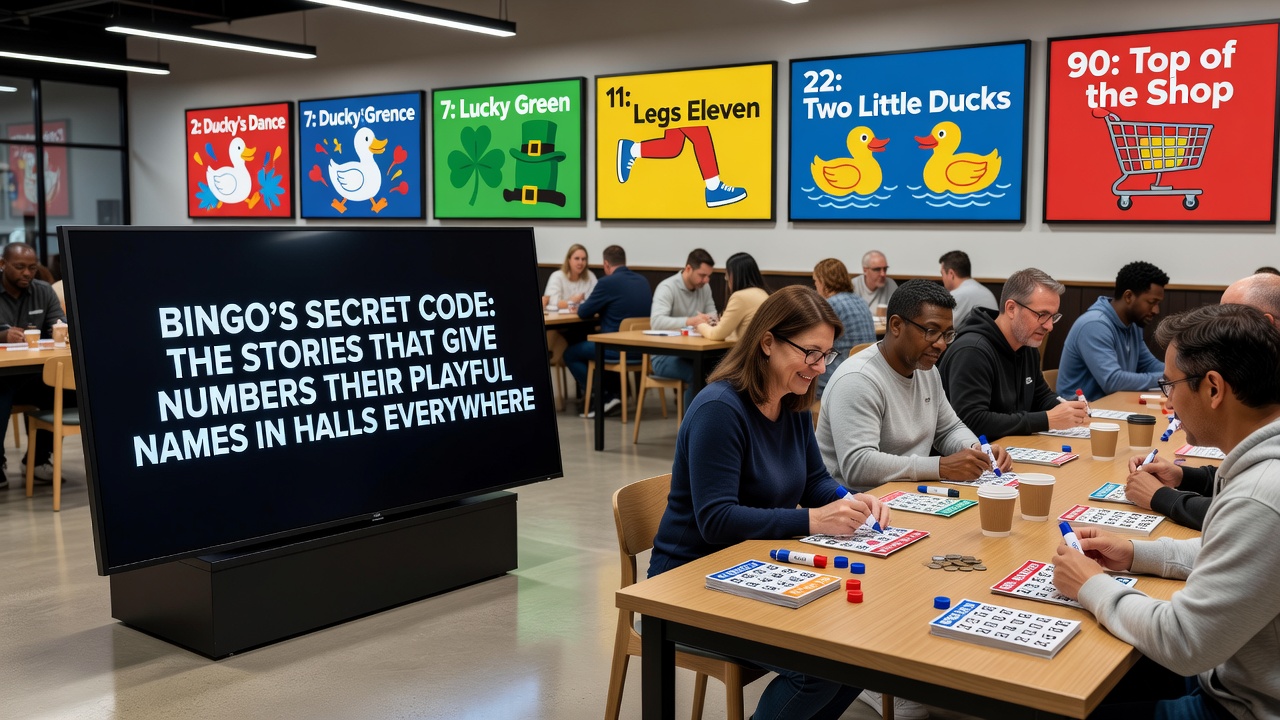
Online platforms retain many classic calls through audio features that simulate live halls, while mobile apps display both the numeral and nickname side by side for newcomers. Data from the European Gaming and Betting Association indicates that hybrid events scheduled for June 2026 continue blending traditional calls with electronic boards, preserving the verbal layer even as software handles number verification. Festival organizers in outdoor venues report that spoken nicknames maintain crowd energy when weather disrupts screen visibility, since players respond to familiar phrases regardless of display conditions.
How Calls Influence Group Dynamics
Studies conducted by the University of Nevada's gaming research center reveal that rhythmic calls reduce cognitive load during extended sessions, allowing players to track multiple cards without constant reference to printed lists. Callers often vary delivery speed and emphasis based on audience size, yet the core nicknames remain fixed to ensure consistency across different venues. Community halls in North America and Australia document that shared knowledge of these phrases strengthens social bonds, as newer participants learn the code through repeated exposure rather than formal instruction.
Conclusion
Bingo's number nicknames function as a living oral tradition that connects historical military practices with contemporary gameplay across multiple continents. Their persistence stems from practical utility combined with cultural resonance, as each phrase carries visual or historical associations that aid quick recognition. As sessions continue into scheduled 2026 events, these codes remain embedded in both physical halls and digital interfaces, sustaining the interactive element that defines group bingo experiences worldwide.